
Humane Handling of Zabiha Animals

Humane handling of Zabiha animals is a cornerstone of halal meat practices, ensuring ethical treatment while meeting religious standards. Proper handling reduces stress on animals, improves meat quality, and aligns with Islamic principles that emphasize compassion and care for living beings.
Pre-Slaughter Handling
Animals should be calm and free from fear before slaughter. Facilities that maintain quiet, organized environments prevent unnecessary stress. Gentle movement, minimal noise, and avoidance of overcrowding ensure animals remain relaxed. Stress-free animals produce meat that is more tender, nutritious, and easier to digest.
Transport and Holding
During transport, animals should have adequate space, ventilation, and access to water. Overcrowding or rough handling during transport can cause injury and elevate stress hormones, which negatively affect meat quality. Proper resting periods before slaughter help maintain both ethical standards and nutritional value.
Slaughter Techniques
Zabiha slaughter requires a swift, precise cut to the throat to drain blood efficiently while minimizing pain. Humane methods prioritize speed, accuracy, and proper restraint, avoiding unnecessary suffering. Well-trained staff are essential to ensure that Islamic principles are upheld without compromising welfare or meat quality.
Post-Slaughter Handling
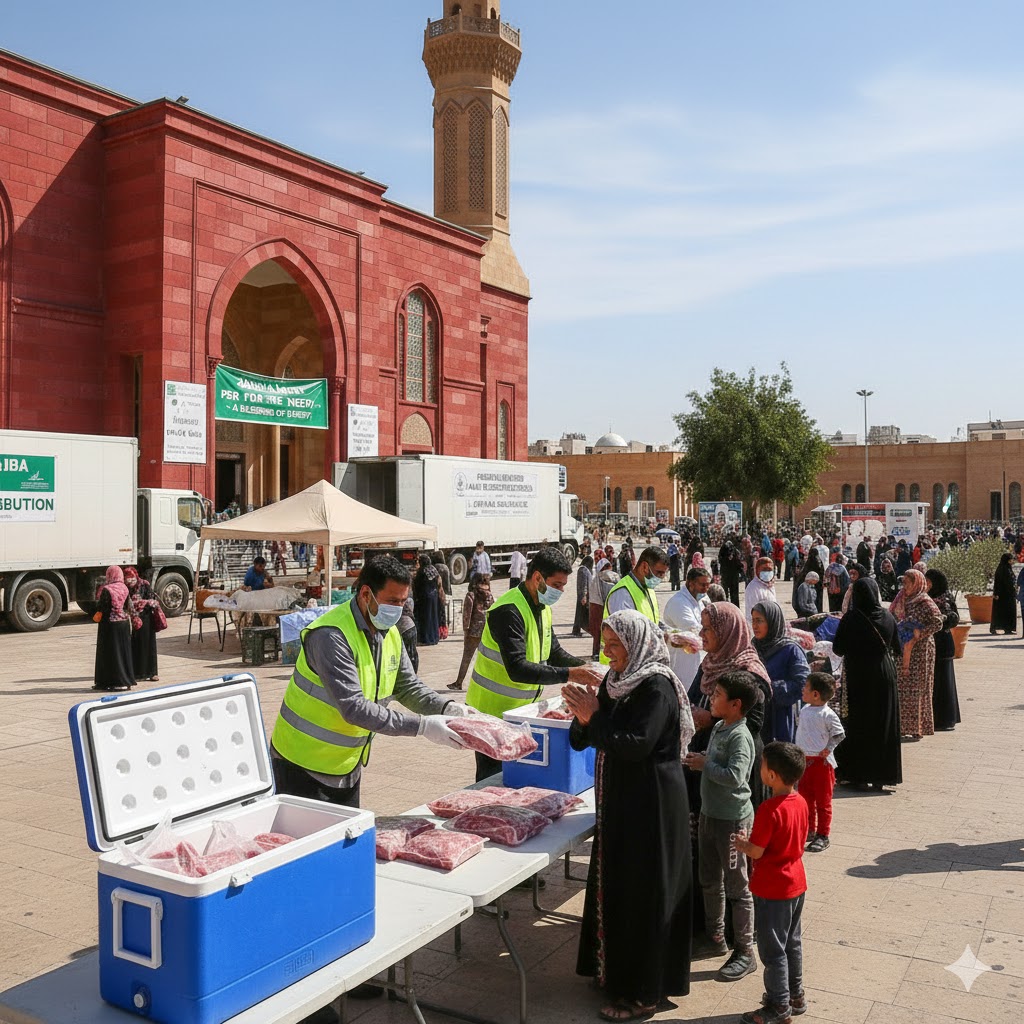
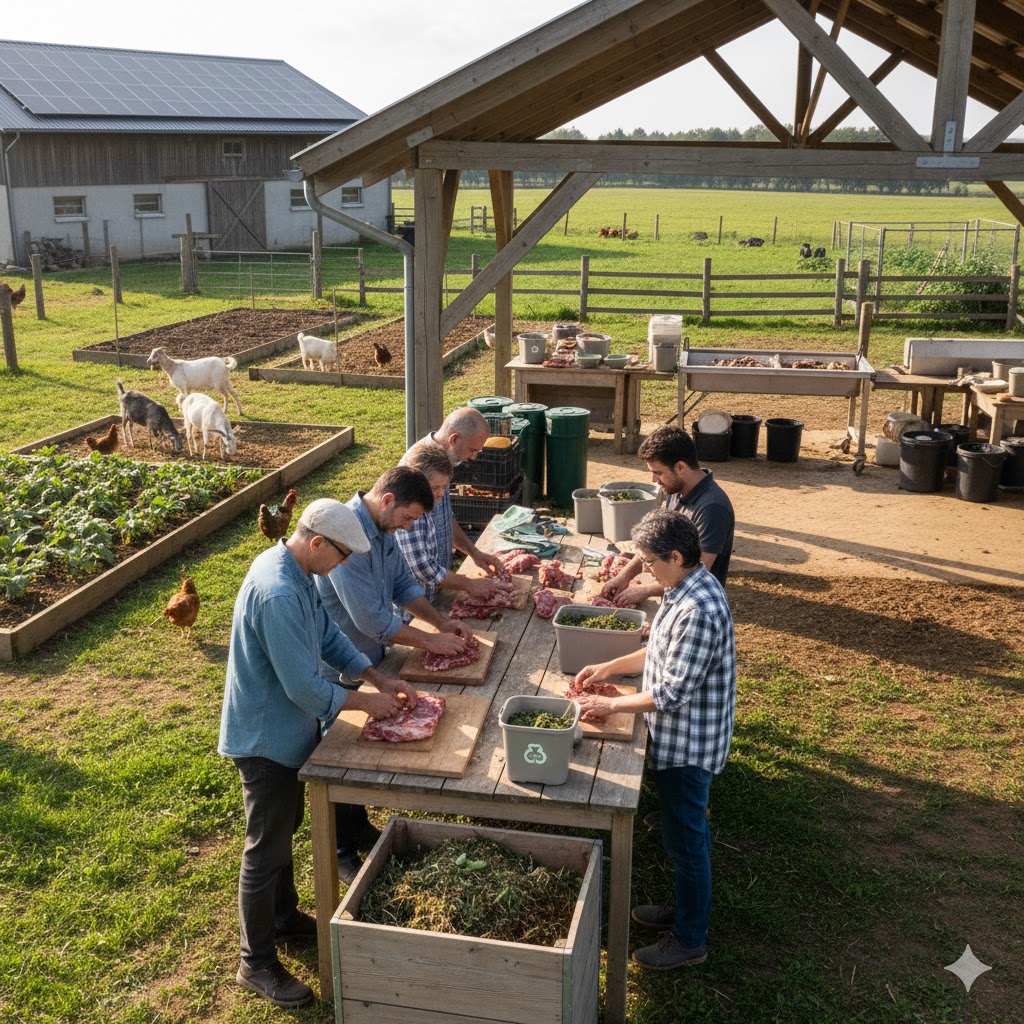
After slaughter, meat should be handled hygienically and stored correctly to preserve freshness. Quick processing reduces contamination risk and maintains nutritional integrity. Respectful handling reflects ethical values and reinforces the spiritual significance of halal meat.
Training and Awareness
Ongoing training for staff in humane handling and ethical practices is crucial. Awareness of animal behavior, proper restraint techniques, and stress reduction methods ensures ethical compliance. Communities benefit when suppliers prioritize both halal certification and animal welfare standards.
Conclusion
Humane handling of Zabiha animals ensures ethical treatment, aligns with Islamic principles, and enhances meat quality. Through careful pre-slaughter care, proper transport, precise slaughter techniques, and respectful post-slaughter handling, suppliers uphold spiritual and ethical standards while providing nutritious, high-quality meat.