
Supporting Sustainable Meat Production

Supporting sustainable meat production is vital for ethical, environmental, and health reasons. Sustainable Zabiha meat production focuses on humane practices, responsible resource use, and long-term environmental stewardship while providing high-quality halal meat for families.
Ethical Farming Practices
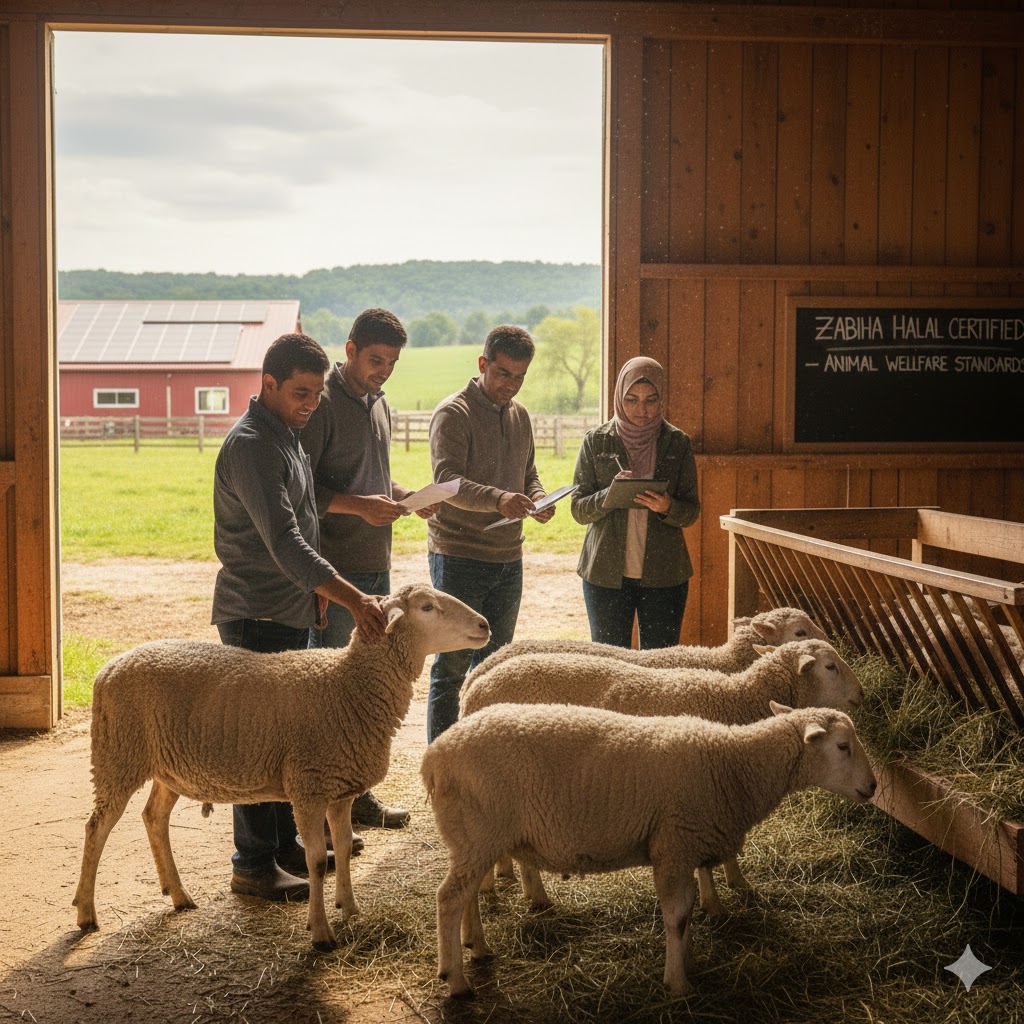
Sustainable meat production prioritizes animal welfare. Farmers provide adequate space, clean water, nutritious feed, and low-stress environments. Ethical treatment ensures animals are healthy and meat quality is maintained, supporting both spiritual and nutritional values.
Reducing Environmental Impact
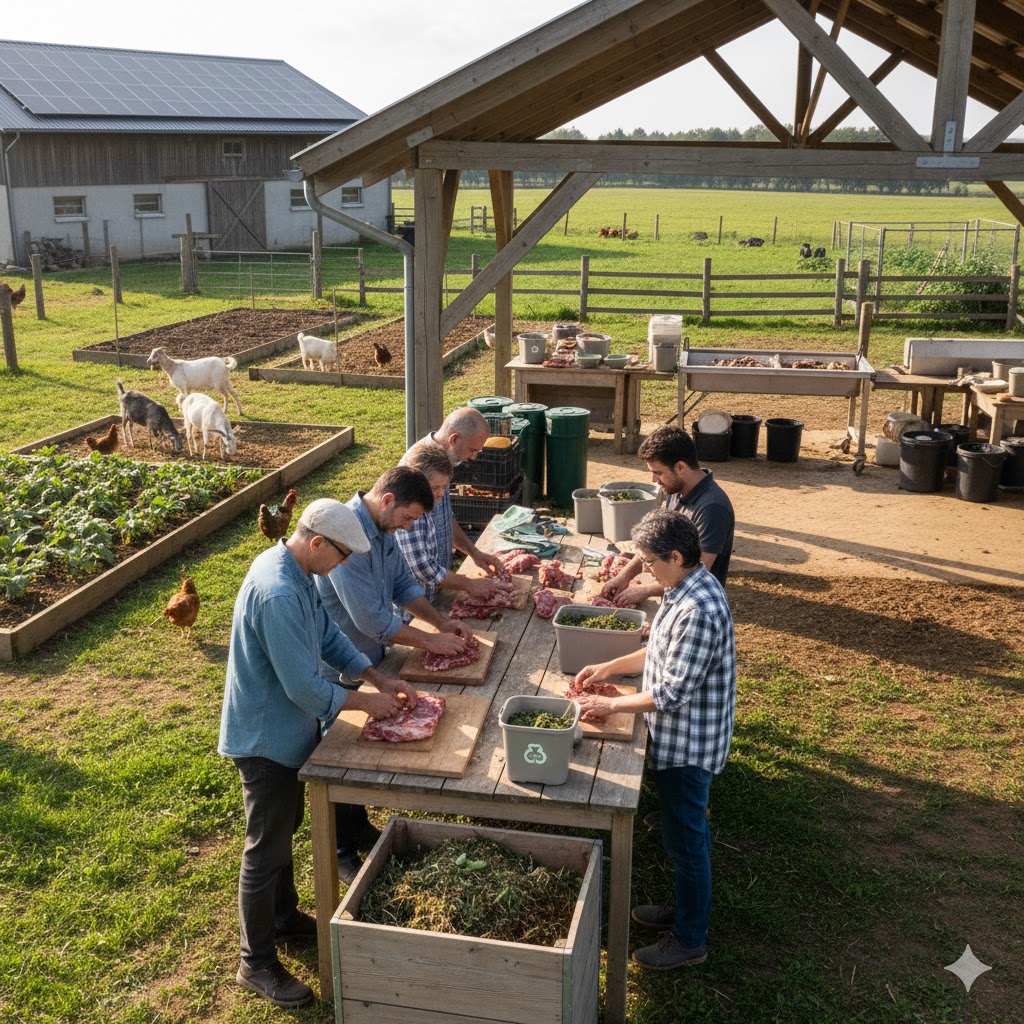
Sustainable farms minimize water use, energy consumption, and chemical inputs. Practices such as rotational grazing, composting, and renewable energy adoption lower environmental footprints. Supporting these farms contributes to biodiversity, soil health, and climate-conscious meat production.
Community and Economic Benefits
Local and sustainable farms create jobs and stimulate regional economies. By purchasing Zabiha meat from these sources, families help strengthen rural communities, promote local entrepreneurship, and reduce reliance on industrial, high-impact farming methods.
Healthier, Higher-Quality Meat
Sustainably raised animals fed natural diets produce leaner, nutrient-rich meat. Minimal use of antibiotics or hormones ensures meat is safer, healthier, and more digestible. Sustainable practices maintain protein, vitamin, and mineral content, supporting family nutrition.
Consumer Role in Sustainability
Consumers can influence the market by choosing sustainably produced Zabiha meat. Demand encourages suppliers to adopt ethical, eco-friendly practices, improving overall industry standards. Awareness and informed purchasing decisions are key to promoting sustainability in halal meat production.
Conclusion
Supporting sustainable meat production ensures ethical treatment of animals, environmental stewardship, community growth, and healthier meat for families. By choosing sustainably sourced Zabiha meat, consumers play a vital role in creating a responsible, long-term halal food system.