Stories Behind Zabiha in Local Cultures

Across the world, Zabiha meat is surrounded by stories that reflect local history, traditions, and lived experiences. These stories give meaning to everyday practices and connect communities to their cultural roots.
Oral Traditions and Family Stories
In many cultures, stories about Zabiha practices are shared orally within families. Elders recount how meat was sourced, prepared, and shared during times of scarcity or celebration, reinforcing values of patience and gratitude.
Rural and Urban Perspectives
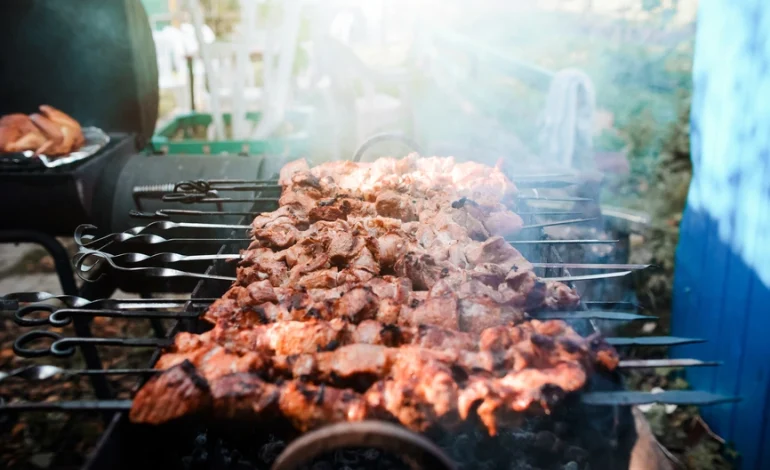
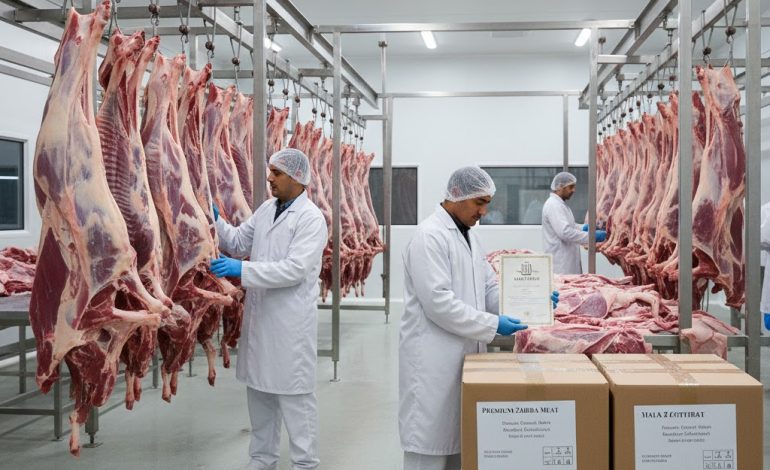
In rural areas, Zabiha is often linked to farming life and self-sufficiency. Urban communities, on the other hand, develop stories around halal markets and adapting traditions to modern lifestyles.
Migration and Cultural Preservation
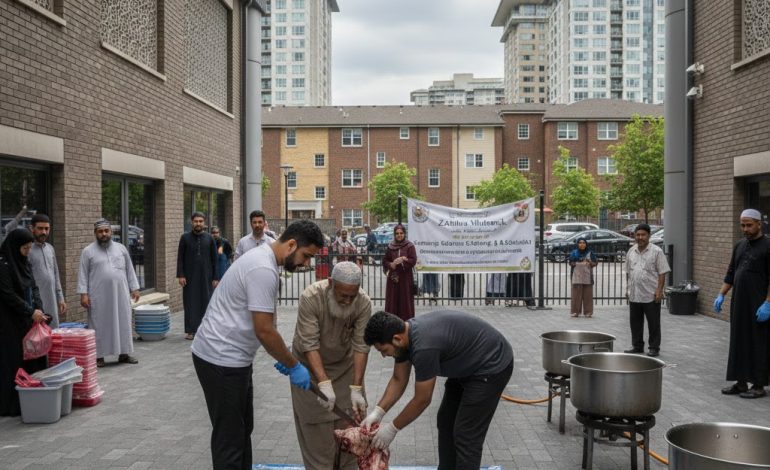
Migrant communities carry Zabiha traditions across borders. Stories of finding halal food in new countries reflect resilience and the desire to maintain religious identity despite cultural change.
Symbolism in Daily Life
Zabiha stories often highlight ethical treatment of animals, mindful consumption, and respect for food. These narratives influence how people view responsibility and sustainability.
Conclusion
The stories behind Zabiha in local cultures preserve history and values. They transform food practices into meaningful expressions of faith, identity, and community continuity.