Festivals & Celebrations Involving Zabiha Meat

Festivals and celebrations across Muslim cultures are closely tied to Zabiha meat. From religious holidays to family milestones, halal meat plays a central role in expressing joy, gratitude, and hospitality.
Eid al-Adha and the Meaning of Sacrifice
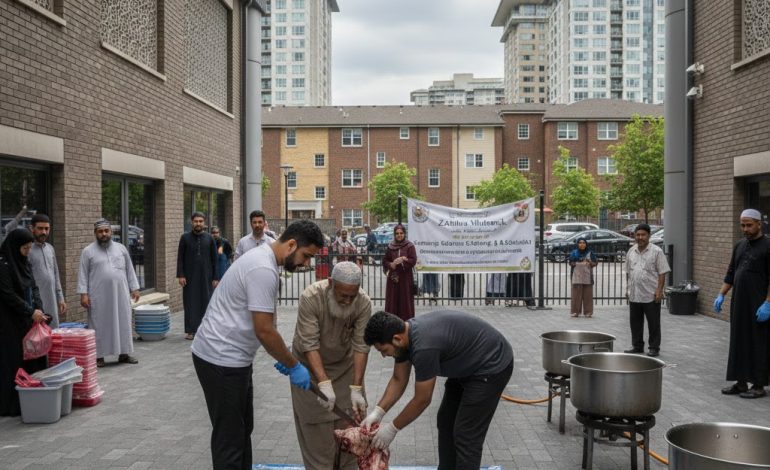
Eid al-Adha is the most significant festival involving Zabiha meat. The ritual sacrifice commemorates Prophet Ibrahim’s devotion and emphasizes values of obedience and generosity. Families often distribute meat among relatives, friends, and the less fortunate.
Weddings and Family Gatherings
Large celebrations such as weddings rely heavily on Zabiha meat-based dishes. Preparing halal meals for guests is seen as a responsibility and honor. Traditional recipes are often prepared in large quantities to accommodate extended families and communities.
Regional Festival Variations
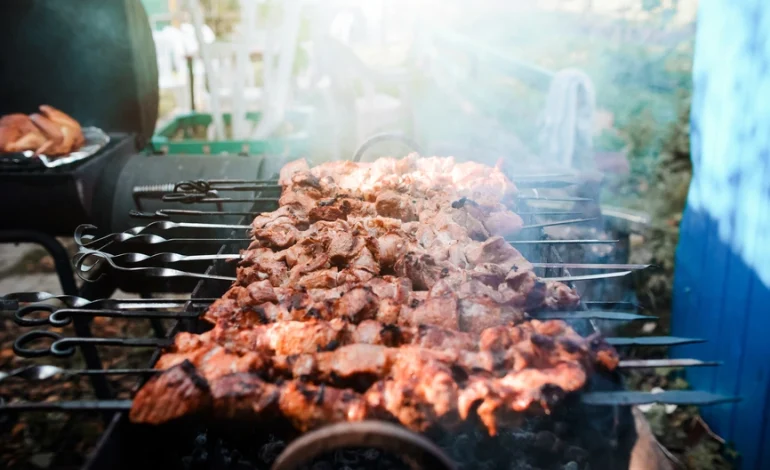
Different cultures incorporate Zabiha meat into unique festival dishes. In South Asia, biryani and korma are common, while Middle Eastern celebrations feature grilled meats and rice dishes. These variations reflect local tastes while maintaining halal principles.
Hospitality and Sharing
Offering Zabiha meat during celebrations symbolizes generosity and respect. Guests trust that the food served aligns with religious values, strengthening social bonds and reinforcing communal trust.
Conclusion
Festivals involving Zabiha meat highlight the connection between faith, culture, and celebration. These traditions preserve values of sharing, gratitude, and togetherness across generations.