
Zabiha Traditions in Islamic Communities

Zabiha meat holds deep cultural and religious importance within Islamic communities around the world. It is not simply a method of food preparation, but a practice rooted in faith, ethics, and daily life. For many families, Zabiha represents obedience to religious teachings while also reinforcing communal identity.
Religious Foundations of Zabiha
The tradition of Zabiha is derived from Islamic dietary laws outlined in the Quran and Hadith. The act of mentioning the name of Allah before slaughter reflects mindfulness, gratitude, and respect for life. This spiritual element transforms eating into an act of worship rather than routine consumption.
Family and Community Practices
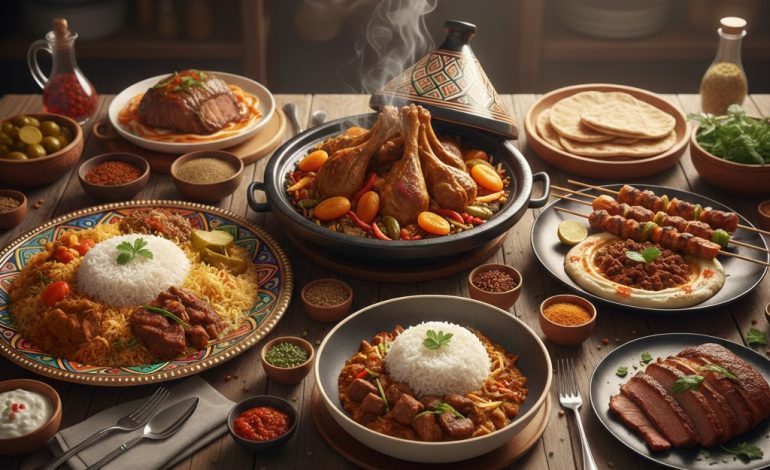
In many Islamic households, Zabiha meat is a central part of daily meals and special gatherings. Elders often educate younger generations about halal principles, ensuring that knowledge is passed down. Visiting trusted butchers and discussing meat quality are common cultural habits.
Role in Religious Events
Zabiha meat becomes especially significant during religious events such as Eid al-Adha. Families participate in or oversee the slaughter process, reinforcing lessons of sacrifice, charity, and compassion. Meat distribution strengthens bonds between relatives, neighbors, and those in need.
Cultural Identity and Belonging
For Muslim communities living as minorities, Zabiha meat serves as a strong marker of identity. Halal food practices help preserve cultural heritage while creating shared spaces such as halal markets, restaurants, and community centers.
Conclusion
Zabiha traditions in Islamic communities go beyond dietary rules. They reflect faith, responsibility, and unity, shaping how food connects individuals to their beliefs and to one another.