Zabiha Meat Variations Across Countries

Zabiha meat varies across countries due to differences in animal breeds, climate, dietary habits, and cultural preferences. These variations influence taste, texture, and cooking methods.
Regional Animal Breeds
Different regions raise animals suited to local environments. These breed variations affect fat content, tenderness, and flavor, making each country’s Zabiha meat unique.
Climate and Feeding Practices
Animals raised on grass, grains, or mixed diets produce distinct meat qualities. Climate also influences growth rates and muscle composition.
Cultural Preferences in Cuts
Some cultures prefer lean cuts, while others value fattier portions. These preferences shape butchering styles and recipe development.
Impact on Cooking Styles
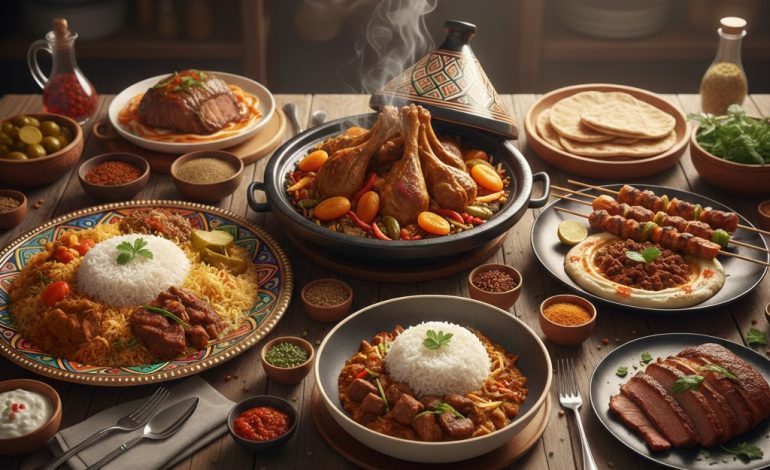
Meat variation directly affects cooking methods. Tougher cuts benefit from slow cooking, while tender cuts suit grilling or pan-searing.
Conclusion
Zabiha meat variations across countries enrich global halal cuisine, offering diverse flavors while maintaining shared ethical and religious standards.


