
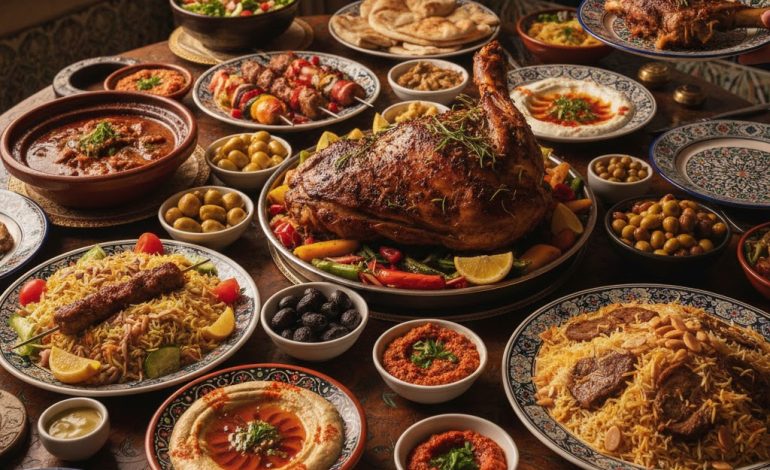
Zabiha Meat in Middle Eastern Cuisine

Middle Eastern cuisine is deeply connected to Zabiha meat, not only as a dietary requirement but as a cultural foundation. From family meals to large gatherings, Zabiha meat plays a central role in shaping traditional dishes and cooking methods across the region.
Historical Roots of Zabiha in the Middle East
The practice of Zabiha originated in the Arabian Peninsula and spread throughout the Middle East with the growth of Islamic civilization. Over centuries, this method became integrated into daily life, influencing how animals were raised, slaughtered, and prepared for consumption.
Popular Middle Eastern Dishes Using Zabiha Meat
Iconic dishes such as kebabs, shawarma, mandi, and kofta rely heavily on properly prepared Zabiha meat. Lamb, beef, and chicken are commonly used, seasoned with regional spices like cumin, coriander, and sumac to enhance natural flavors.
Cooking Techniques and Flavor Profiles
Grilling, slow roasting, and stewing are widely used cooking methods. These techniques preserve tenderness while allowing spices to penetrate deeply. Zabiha meat’s clean taste makes it ideal for both heavily spiced and minimalist preparations.
Social and Cultural Importance
Meals prepared with Zabiha meat often symbolize hospitality and generosity. Sharing food is a key cultural value, and serving halal, ethically prepared meat reinforces trust and respect among guests.
Conclusion
Zabiha meat in Middle Eastern cuisine represents tradition, faith, and culinary excellence. Its preparation and use continue to define the region’s food culture while adapting to modern tastes.