Reducing Waste While Using Zabiha Meat

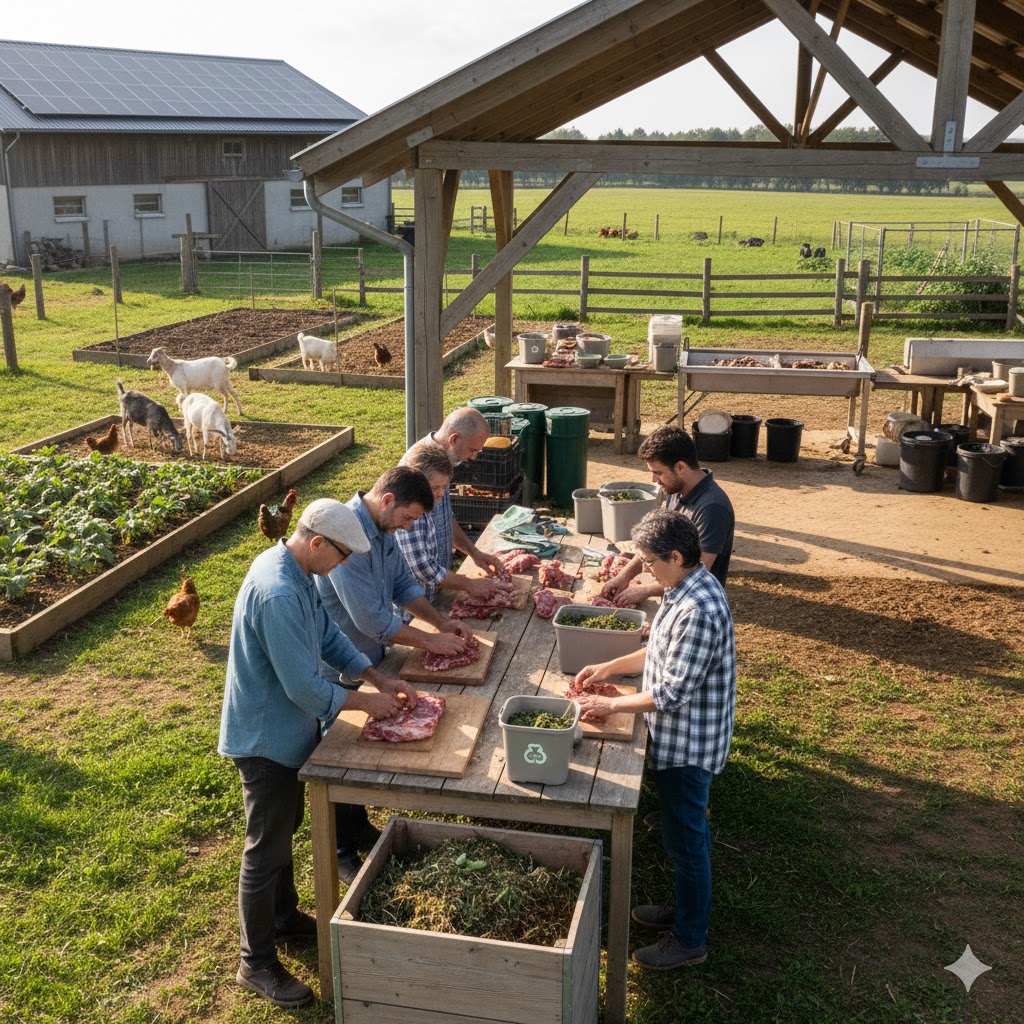
Reducing waste while using Zabiha meat is important for sustainability, economic efficiency, and ethical responsibility. Proper planning, storage, and creative cooking ensure that meat is used fully while maintaining halal compliance and nutritional value. Smart Portioning Plan meals according to family size and

Environmental Impact of Zabiha Meat
Zabiha meat production has environmental implications that require attention to maintain sustainability. Ethical practices, efficient resource use, and responsible farming reduce environmental impact while ensuring halal compliance and high-quality meat. Resource Usage Livestock farming consumes water, feed, and energy. Efficient farm management reduces

Humane Handling of Zabiha Animals
Humane handling of Zabiha animals is a cornerstone of halal meat practices, ensuring ethical treatment while meeting religious standards. Proper handling reduces stress on animals, improves meat quality, and aligns with Islamic principles that emphasize compassion and care for living beings. Pre-Slaughter Handling
Benefits of Giving Zabiha Meat to the Needy
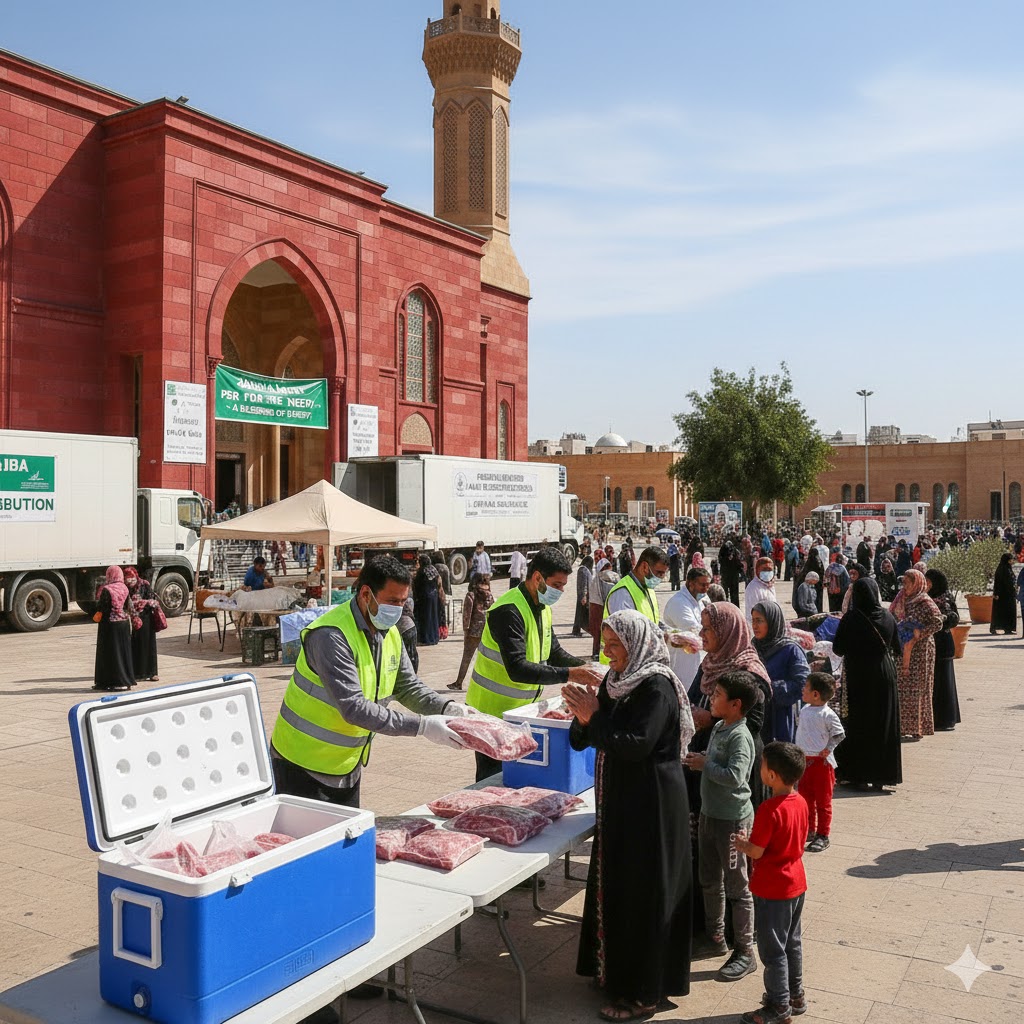
Giving Zabiha meat to the needy is more than an act of charity—it provides tangible nutritional, spiritual, and social benefits. This practice allows families to participate in religious duties while supporting those in need, fostering community solidarity and ethical food distribution. Nutritional Benefits
How Mosques & Communities Manage Zabiha
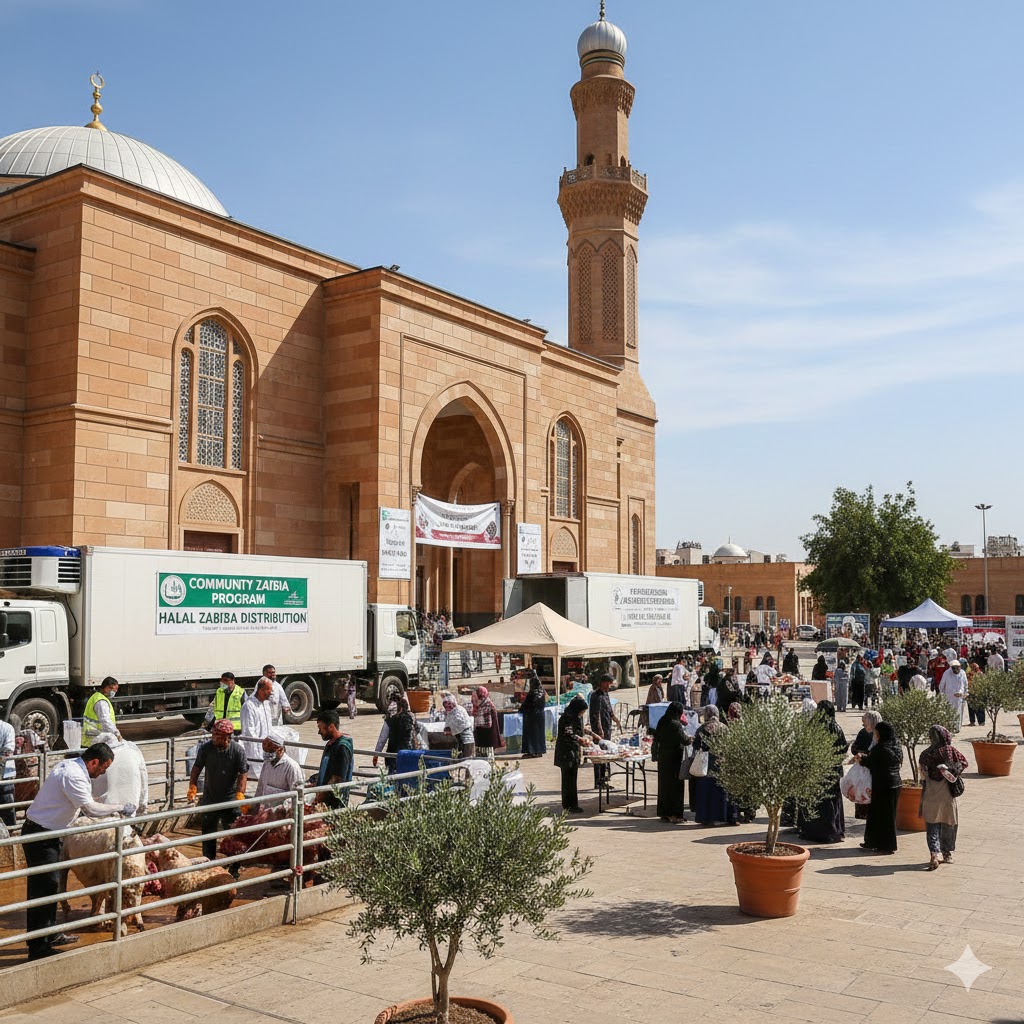
Mosques and local communities play a crucial role in managing Zabiha meat, particularly during festivals like Eid al-Adha. Proper organization ensures halal compliance, ethical distribution, and efficient delivery to families in need, fostering community cohesion and spiritual fulfillment. Coordination and Planning Mosques often

Distributing Zabiha Meat in Charity
Distributing Zabiha meat as charity is a significant practice in Islamic communities, especially during festivals like Eid al-Adha. Sharing meat with the needy not only fulfills religious obligations but also strengthens social bonds, promotes generosity, and ensures everyone can partake in festive meals.

Presentation Tips for Zabiha Dishes
Presentation is key when serving Zabiha meat at weddings, gatherings, or community events. How meat is displayed affects guest perception, appetite, and overall dining experience. Combining aesthetics, functionality, and cultural tradition enhances festive meals. Garnishing for Visual Appeal Use fresh herbs like cilantro,

Party-Ready Zabiha Recipes
Creating party-ready Zabiha meat recipes is perfect for weddings, family gatherings, or community events. Recipes should be flavorful, easy to serve, and appealing to diverse tastes while maintaining halal compliance and nutritional value. With the right techniques, Zabiha meat can shine in any

Catering Large Events with Zabiha Meat
Catering weddings and large gatherings with Zabiha meat requires careful planning, ethical sourcing, and attention to both taste and presentation. Ensuring halal compliance while serving large groups can be challenging, but with preparation and the right strategies, meals can be nutritious, delicious, and
Zabiha Traditions Around the World
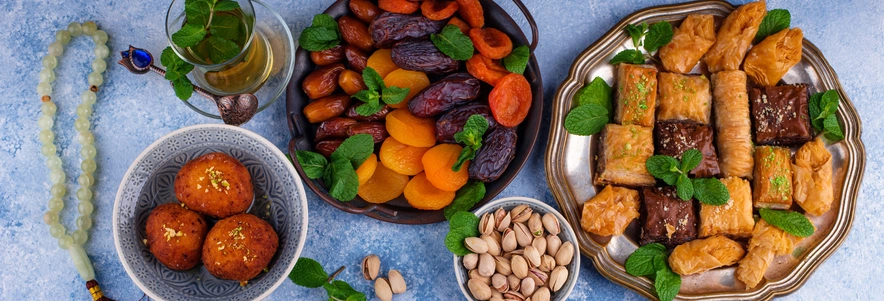
Zabiha meat plays a central role in Islamic festivals and traditions worldwide. Although the core principle of halal slaughter is the same, cultural practices and festive dishes vary, reflecting local tastes, ingredients, and culinary styles. Understanding these traditions enriches celebrations and connects communities