

Shelf Life of Different Zabiha Meats

Understanding the shelf life of different Zabiha meats helps families plan meals, reduce waste, and ensure food safety. Factors like meat type, storage method, and handling practices influence how long meat remains fresh, flavorful, and nutritious. Chicken Fresh Zabiha chicken lasts 1–2 days

Best Practices for Refrigerating Zabiha Meat
Refrigeration is essential for keeping Zabiha meat fresh, safe, and ready for cooking. Proper storage in the refrigerator slows bacterial growth, maintains flavor, and preserves nutritional content while ensuring meat remains halal-compliant. Choosing the Right Temperature Set your refrigerator at 0–4°C (32–39°F). This

Freezing Zabiha Meat Safely
Freezing Zabiha meat is a convenient way to preserve freshness and maintain nutritional value, especially for large purchases or festive occasions. Proper freezing techniques ensure that meat retains flavor, texture, and halal compliance while reducing waste. Selecting the Right Cuts Choose fresh, high-quality

How Modern Farms Improve Ethical Practices
Modern Zabiha farms are implementing innovations to improve ethical practices, animal welfare, and meat quality. By integrating technology, training, and sustainable methods, these farms uphold religious, ethical, and environmental standards. Use of Advanced Monitoring Systems Digital monitoring tracks animal health, behavior, and feeding
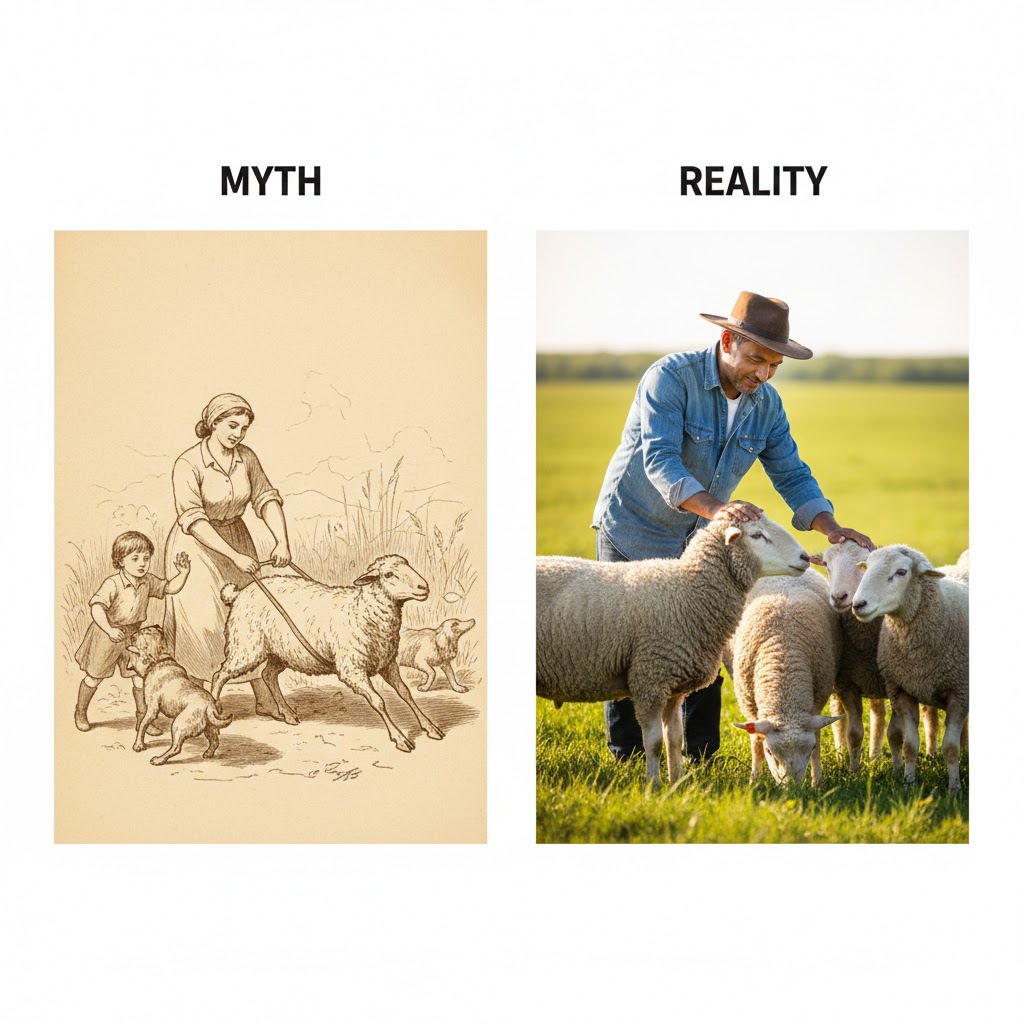
Common Myths About Zabiha & Animal Treatment
There are several myths surrounding Zabiha meat and animal treatment, which often create misconceptions about halal practices. Separating fact from fiction helps consumers make informed choices and promotes ethical understanding of Zabiha meat production. Myth 1: Zabiha Slaughter is Cruel Some believe that
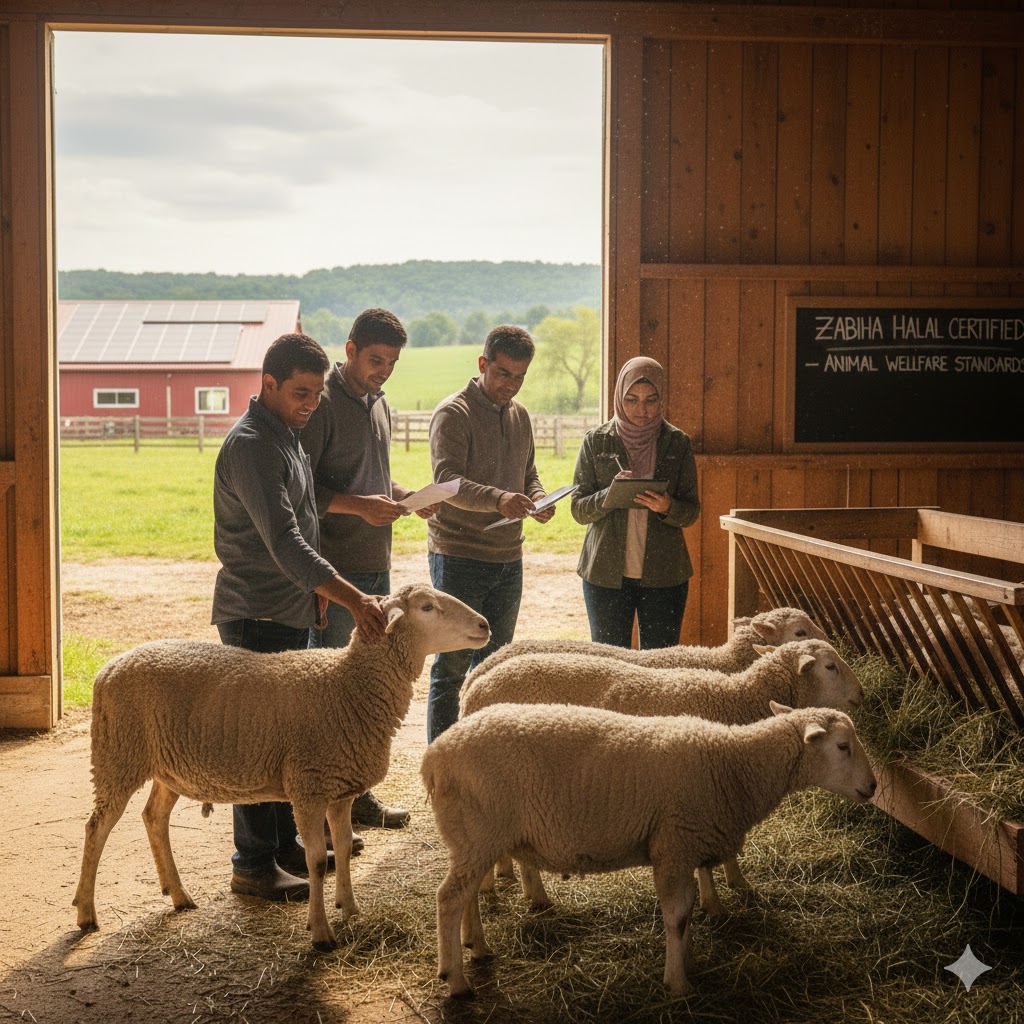
Understanding Animal Welfare in Zabiha Practices
Animal welfare is a central element of Zabiha practices, ensuring that halal meat is ethically sourced while respecting Islamic principles. Understanding welfare in Zabiha slaughter helps consumers make informed choices and promotes compassionate, responsible meat production. Definition of Animal Welfare Animal welfare encompasses

Supporting Sustainable Meat Production
Supporting sustainable meat production is vital for ethical, environmental, and health reasons. Sustainable Zabiha meat production focuses on humane practices, responsible resource use, and long-term environmental stewardship while providing high-quality halal meat for families. Ethical Farming Practices Sustainable meat production prioritizes animal welfare.

How Local Farms Ensure Zabiha Standards
Local farms play a critical role in ensuring Zabiha standards are met, providing families with ethically sourced, halal-compliant meat. By adhering to strict protocols, training staff, and maintaining transparency, local farms uphold both religious and ethical practices while delivering high-quality meat. Certified Slaughter

Benefits of Buying from Organic Zabiha Farms
Buying Zabiha meat from organic farms offers numerous advantages, including better animal welfare, healthier meat, and environmental sustainability. Organic farms prioritize ethical practices, avoiding synthetic chemicals, hormones, and antibiotics, ensuring high-quality, halal-compliant meat for families. Healthier Meat Animals raised organically consume natural feed

Innovations in Humane Zabiha Slaughter
Modern innovations in humane Zabiha slaughter aim to improve animal welfare, maintain halal compliance, and enhance meat quality. Technological advancements and ethical practices reduce stress, improve efficiency, and ensure ethical and spiritual standards are upheld. Automated Restraint Systems New restraint systems gently secure