

Innovations in Humane Zabiha Slaughter

Modern innovations in humane Zabiha slaughter aim to improve animal welfare, maintain halal compliance, and enhance meat quality. Technological advancements and ethical practices reduce stress, improve efficiency, and ensure ethical and spiritual standards are upheld. Automated Restraint Systems New restraint systems gently secure
Reducing Waste While Using Zabiha Meat
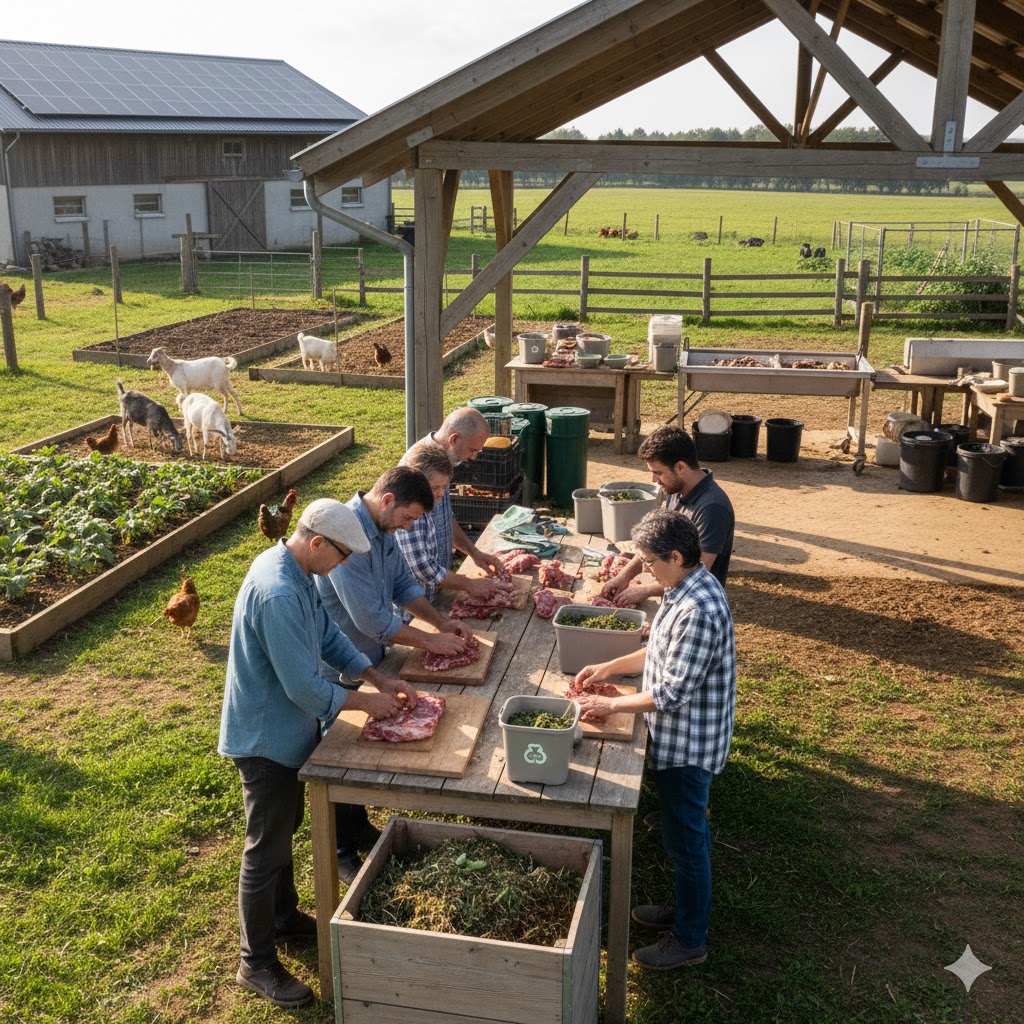
Reducing waste while using Zabiha meat is important for sustainability, economic efficiency, and ethical responsibility. Proper planning, storage, and creative cooking ensure that meat is used fully while maintaining halal compliance and nutritional value. Smart Portioning Plan meals according to family size and

Environmental Impact of Zabiha Meat
Zabiha meat production has environmental implications that require attention to maintain sustainability. Ethical practices, efficient resource use, and responsible farming reduce environmental impact while ensuring halal compliance and high-quality meat. Resource Usage Livestock farming consumes water, feed, and energy. Efficient farm management reduces

Humane Handling of Zabiha Animals
Humane handling of Zabiha animals is a cornerstone of halal meat practices, ensuring ethical treatment while meeting religious standards. Proper handling reduces stress on animals, improves meat quality, and aligns with Islamic principles that emphasize compassion and care for living beings. Pre-Slaughter Handling