
Tips for Buying Verified Zabiha Meat Online

With the convenience of online shopping, buying Zabiha meat has become easier, but verifying authenticity is crucial. Following these tips ensures that the meat purchased online meets Islamic dietary laws and maintains ethical standards. Check Halal Certification Always confirm that the online supplier
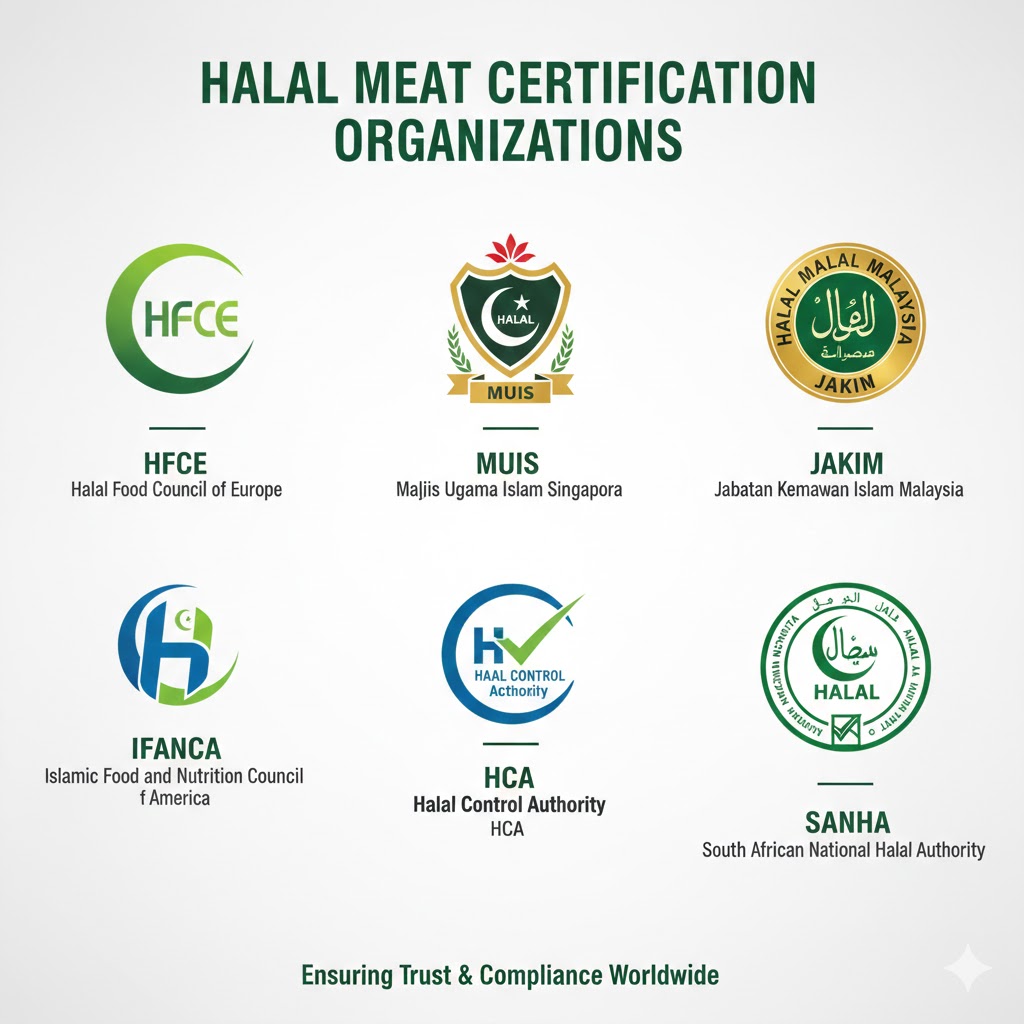
Top Zabiha Certification Bodies Around the World
As the demand for Zabiha meat grows globally, several organizations have emerged to certify meat according to Islamic dietary laws. Understanding these certification bodies helps consumers verify authenticity and ensure compliance with halal standards. Halal Certification Authorities Some of the most recognized certification
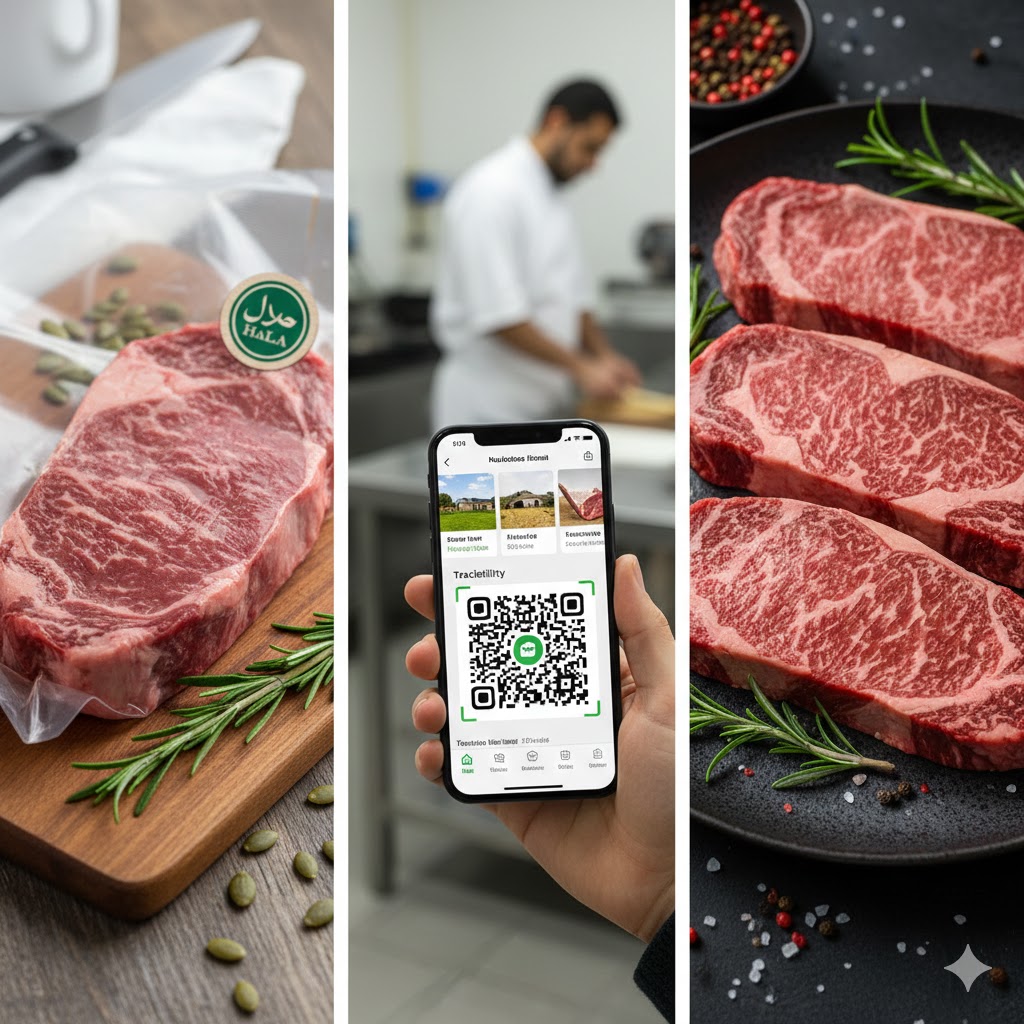
How to Identify Genuine Zabiha Meat
With the rise of halal meat markets worldwide, identifying genuine Zabiha meat has become essential for Muslims who want to follow dietary laws correctly. Recognizing authentic Zabiha meat requires knowledge of certification, labeling, and sourcing practices. Check for Halal Certification The most reliable
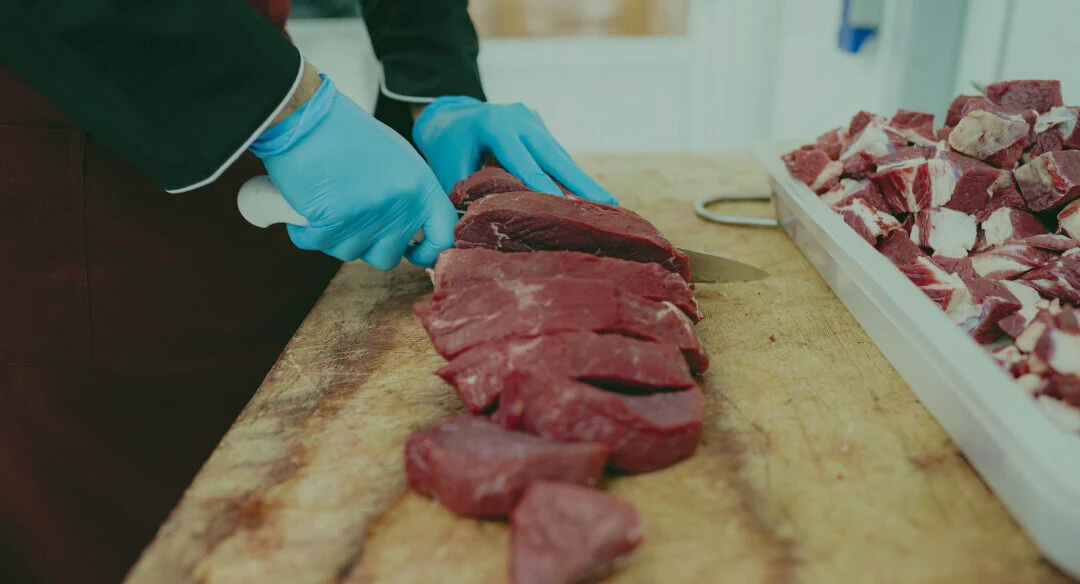
Who Can Perform Zabiha?
Zabiha meat is considered lawful and spiritually significant in Islam, but only certain individuals are qualified to perform the slaughter. Understanding who can perform Zabiha ensures compliance with religious laws and maintains the integrity of the practice. Qualified Individuals According to Islamic law,
Common Mistakes to Avoid in Zabiha Meat
Consuming Zabiha meat is a religious and ethical practice, but mistakes in handling, buying, or preparing can compromise its authenticity, health benefits, and spiritual value. Understanding common errors ensures that the meat remains compliant with Islamic law and maintains quality and hygiene. Buying
Essential Conditions for Zabiha Slaughter
Zabiha slaughter follows specific rules and guidelines designed to ensure compliance with Islamic law, humane treatment of animals, and high-quality meat. Understanding these essential conditions is critical for anyone handling or consuming Zabiha meat. Qualified Person The person performing the Zabiha slaughter must
Common Misconceptions About Zabiha Meat
Zabiha meat is widely consumed in Muslim communities, yet several misconceptions persist. These myths often confuse new believers or non-Muslims about its religious, ethical, and health aspects. Understanding the truth behind Zabiha practices helps clarify its significance and promotes informed consumption. Misconception 1:

History and Importance of Zabiha in Islam
The practice of Zabiha has a long and significant history in Islamic tradition, deeply intertwined with faith, culture, and ethical treatment of animals. It is more than a method of slaughter; it is a spiritual act, a commitment to divine guidance, and a

Difference Between Zabiha and Non-Zabiha Meat
Many people are unaware of the distinct differences between Zabiha and non-Zabiha meat. While both are forms of meat consumed around the world, the method of preparation, religious compliance, and ethical considerations set Zabiha apart. Zabiha meat adheres to Islamic dietary laws, whereas

Understanding Zabiha: The Halal Method of Slaughter
Subcategory: What is Zabiha? Zabiha, often referred to as the halal method of slaughter, is a practice deeply rooted in Islamic tradition, ensuring that meat is prepared in accordance with religious principles. The word “Zabiha” literally means “slaughtered” and is used to describe