
Fat Content in Zabiha Meat Explained

Zabiha meat is often considered healthier than conventional meat due to its fat content, which is influenced by the method of slaughter and ethical handling of the animal. Understanding the fat content in Zabiha meat can guide healthier dietary choices.
Reduced Fat Through Proper Slaughter
The Zabiha method ensures complete drainage of blood, which naturally reduces some fat content. Blood carries residual fats and toxins that can affect both health and taste. Lean Zabiha cuts retain high-quality nutrients while minimizing unhealthy fat intake.
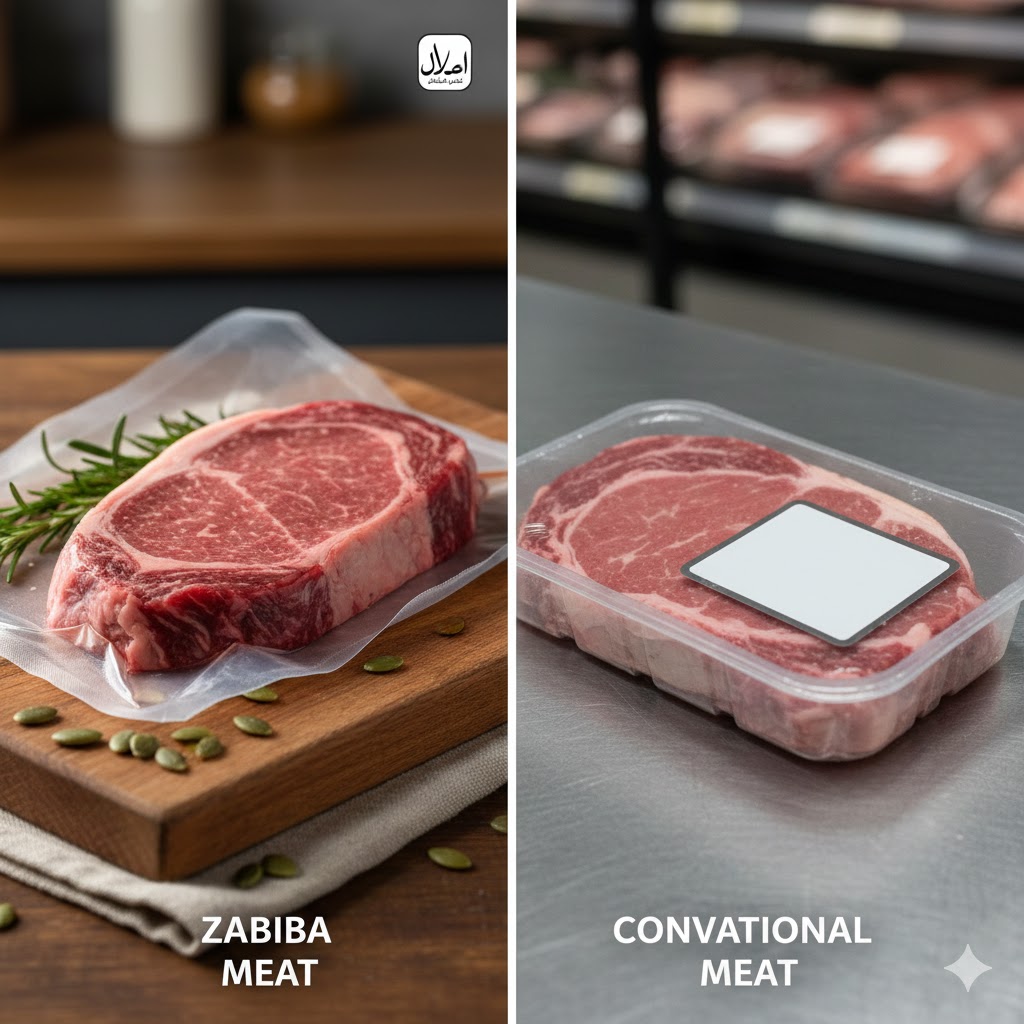
Comparison with Conventional Meat
Studies indicate that Zabiha meat tends to have slightly lower saturated fat levels than some conventionally processed meats. The ethical handling of animals and stress-free slaughter help maintain a leaner profile, which is beneficial for cardiovascular health.
Health Implications
Lower fat content in Zabiha meat supports weight management, reduces cholesterol intake, and promotes heart health. Lean meat is easier to digest and provides high-quality protein without excess fat, making it ideal for families and children.
Choosing the Right Cuts
Selecting lean portions such as chicken breast, lamb loin, or beef sirloin enhances the health benefits of Zabiha meat. Avoiding fatty cuts or trimming excess fat ensures a nutritious and digestible meal while preserving essential vitamins and minerals.
Conclusion
Understanding fat content in Zabiha meat highlights its digestive and health advantages. Properly drained, ethically sourced, and carefully cooked, Zabiha meat provides lean protein and essential nutrients, supporting both physical health and spiritual adherence to halal dietary practices.