
How Zabiha Meat Affects Digestion

Zabiha meat is not only prepared according to Islamic law but also has benefits for digestion. Properly handled and slaughtered, it is lean, clean, and easier for the digestive system to process compared to some conventionally processed meats.
Impact on Digestive Health
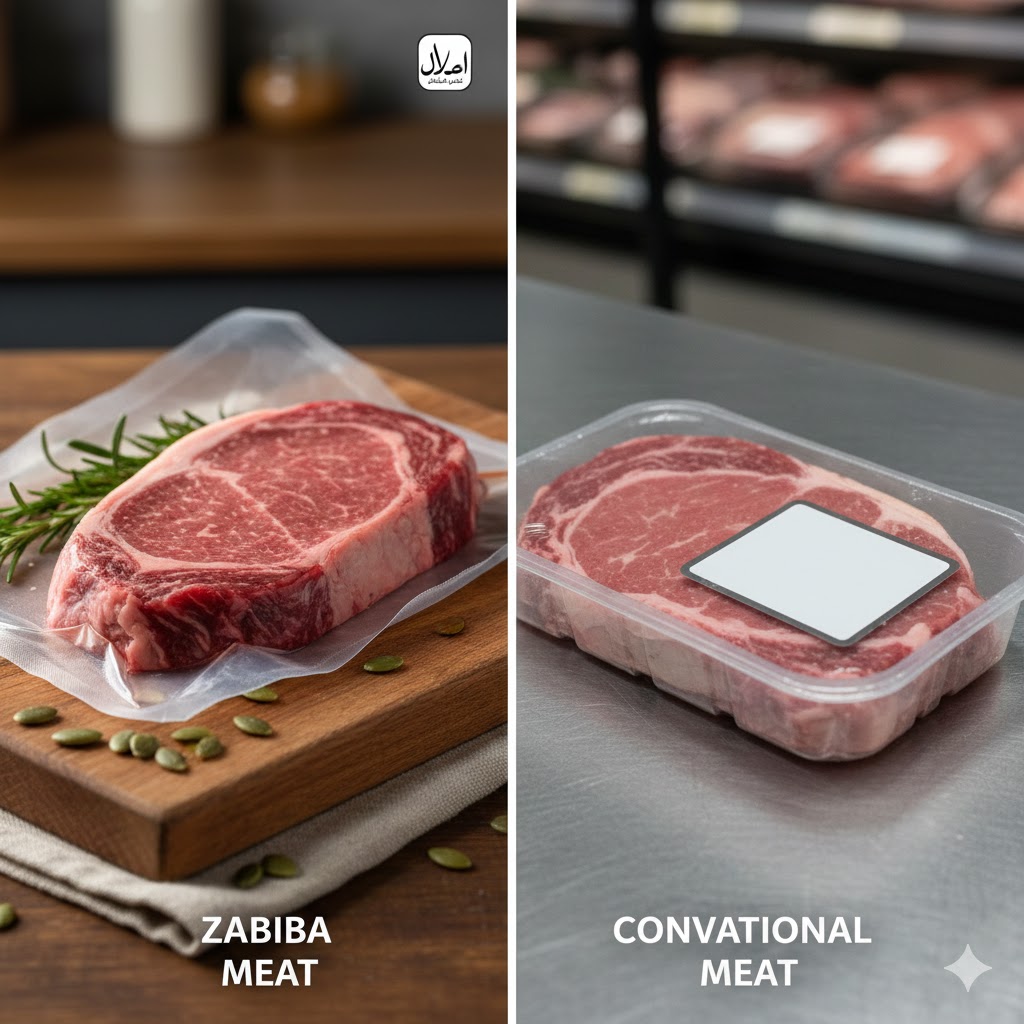
One of the main reasons Zabiha meat supports digestion is the complete removal of blood during slaughter. Residual blood in meat can make it heavier on the stomach, whereas Zabiha meat is leaner and easier to break down. This ensures that nutrients are absorbed more efficiently.
Protein and Enzyme Activity
Zabiha meat contains high-quality protein, which promotes the production of digestive enzymes in the stomach and intestines. These enzymes aid in breaking down food efficiently, helping the body utilize nutrients effectively and reducing bloating or indigestion.
Lean Cuts for Easier Digestion
Fat content in Zabiha meat is usually lower due to proper drainage of blood and selection of healthy animals. Lean cuts are gentler on the digestive system and help prevent gastrointestinal discomfort. People with sensitive stomachs often find Zabiha meat easier to digest than meat from other sources.
Complementary Cooking Methods
Cooking Zabiha meat using methods such as boiling, steaming, grilling, or slow-cooking enhances digestibility. Avoid deep-frying or heavily processed methods that can introduce excess fat or irritants to the stomach. Healthy cooking combined with properly prepared Zabiha meat maximizes digestive benefits.
Conclusion
Eating Zabiha meat can positively affect digestion by providing lean, clean, high-quality protein and nutrients that are easily absorbed. Combined with mindful cooking techniques, Zabiha meat supports gut health, efficient nutrient uptake, and overall digestive comfort, making it an ideal choice for families seeking both health and spiritual compliance.