Zabiha vs. Conventional Meat: A Nutritional Comparison

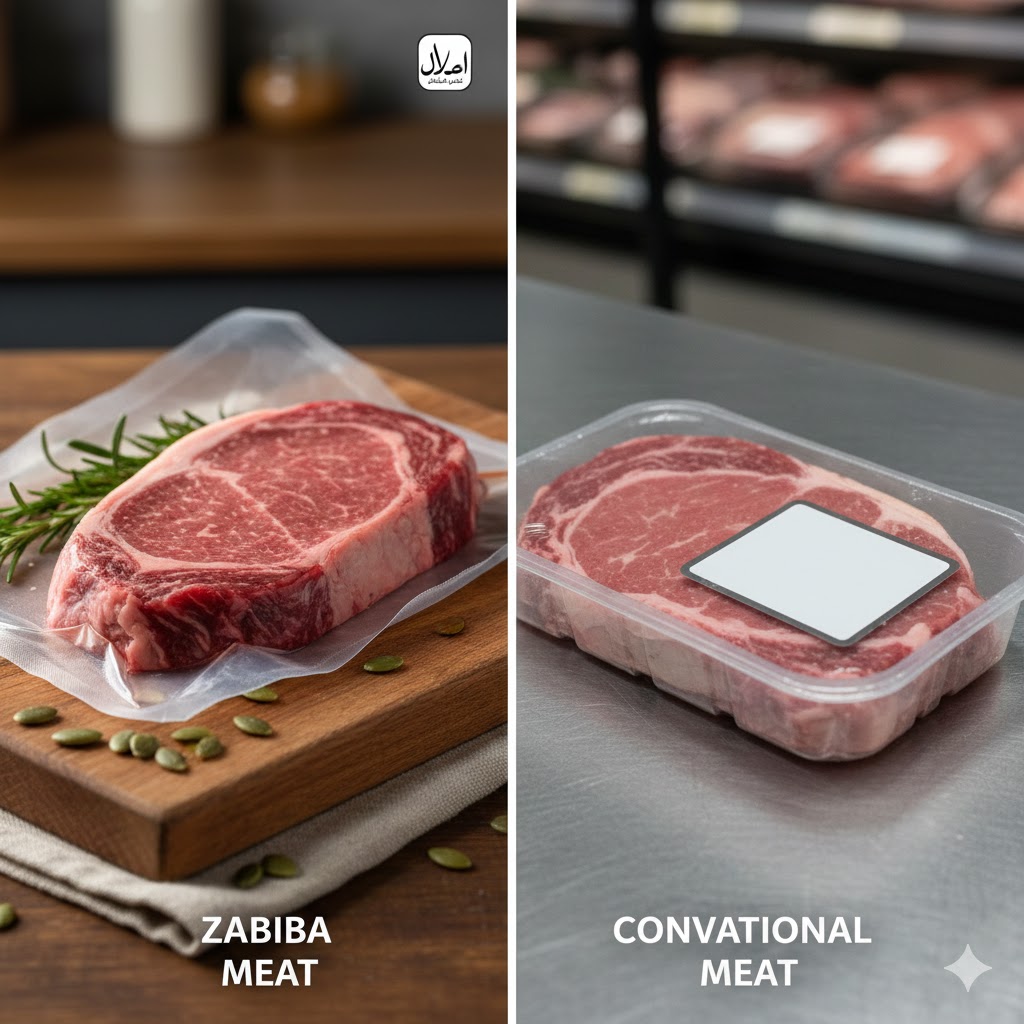
When comparing Zabiha meat to conventional meat, several differences emerge in terms of nutrition, safety, and overall quality. Understanding these differences can help consumers make informed choices that align with both health and ethical standards.
Protein Content
Both Zabiha and conventional meat provide protein, but the quality of protein in Zabiha meat is often higher due to better handling and animal welfare. Animals under less stress tend to produce meat with more stable amino acid profiles, supporting muscle growth and repair more effectively.
Vitamin and Mineral Levels
Zabiha meat typically retains higher levels of essential vitamins such as B12 and minerals like iron and zinc. Proper handling and minimal contamination during Zabiha slaughter help preserve these nutrients, whereas conventional meat may lose some nutritional quality due to poor handling or storage practices.
Blood and Fat Content
Complete drainage of blood in Zabiha meat reduces toxins and some fat content. Conventional meat may retain more blood, which can impact taste, shelf life, and potentially nutritional quality. Zabiha meat is generally leaner, safer, and better for cardiovascular health.
Hygiene and Safety
Zabiha meat is handled under strict hygiene standards, reducing the risk of contamination by harmful bacteria. Conventional meat processing does not always maintain the same level of supervision, which may increase the risk of foodborne illnesses.
Ethical Considerations
While nutritional comparison is important, ethical treatment is also a factor. Zabiha emphasizes humane handling, spiritual compliance, and mindfulness, aspects absent in most conventional meat production. This contributes indirectly to mental well-being and satisfaction for those consuming Zabiha meat.
Conclusion
Zabiha meat surpasses conventional meat in nutritional integrity, hygiene, ethical treatment, and spiritual value. High-quality protein, essential vitamins and minerals, lower blood and fat content, and ethical processing make it a superior choice for health-conscious and religiously observant consumers.