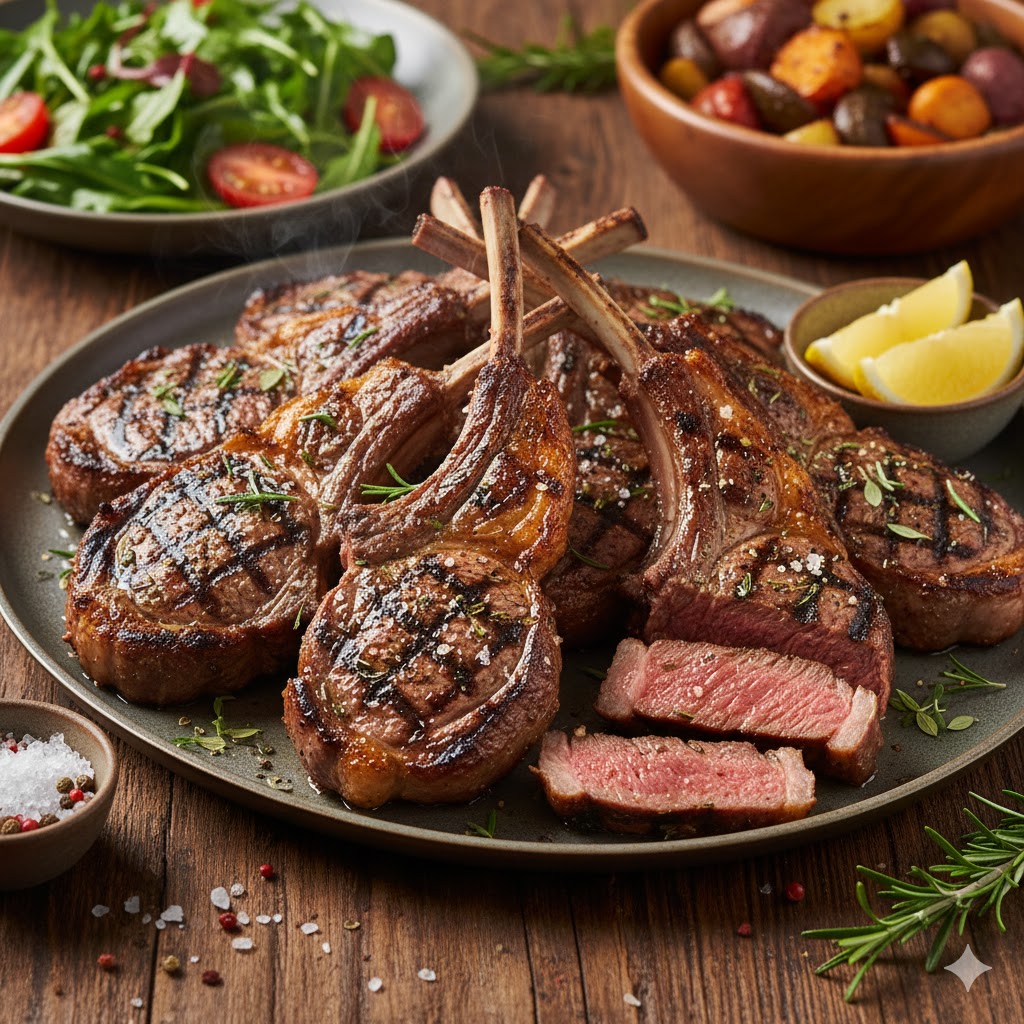

How to Preserve Zabiha Meat Nutrients

Preserving nutrients in Zabiha meat is essential to maximize its health benefits. Proper handling, storage, and cooking ensure that protein, vitamins, and minerals remain intact for wholesome family meals.
Storage Tips
Store Zabiha meat in airtight containers or vacuum-sealed bags immediately after purchase. Refrigerate for short-term use (up to 2–3 days) and freeze for longer storage. Avoid repeated thawing and refreezing to prevent nutrient loss.
Thawing Methods
Thaw frozen Zabiha meat in the refrigerator or under cold running water. Avoid using hot water or microwaving directly, as rapid temperature changes can degrade protein and vitamins. Proper thawing maintains texture, flavor, and nutritional value.
Cooking Techniques
Use cooking methods that minimize nutrient loss: steaming, boiling, baking, and slow-cooking preserve vitamins and minerals better than high-heat frying. Avoid excessive water or long cooking times, which can leach nutrients from meat.
Combining Ingredients
Pair Zabiha meat with nutrient-rich vegetables, legumes, and whole grains. This enhances the overall nutritional profile of meals, providing fiber, antioxidants, and additional vitamins alongside high-quality protein.
Timing and Portioning
Cook Zabiha meat in appropriate portions to reduce leftovers, which can lose nutrients over time. Freshly cooked meals ensure maximum digestibility, flavor, and health benefits for the family.
Conclusion
Preserving Zabiha meat nutrients requires careful storage, thawing, and cooking. By following these tips, families can enjoy ethical, nutritious, and flavorful meals that support health, digestion, and overall well-being.