Visiting Local Zabiha Farms: A Guide

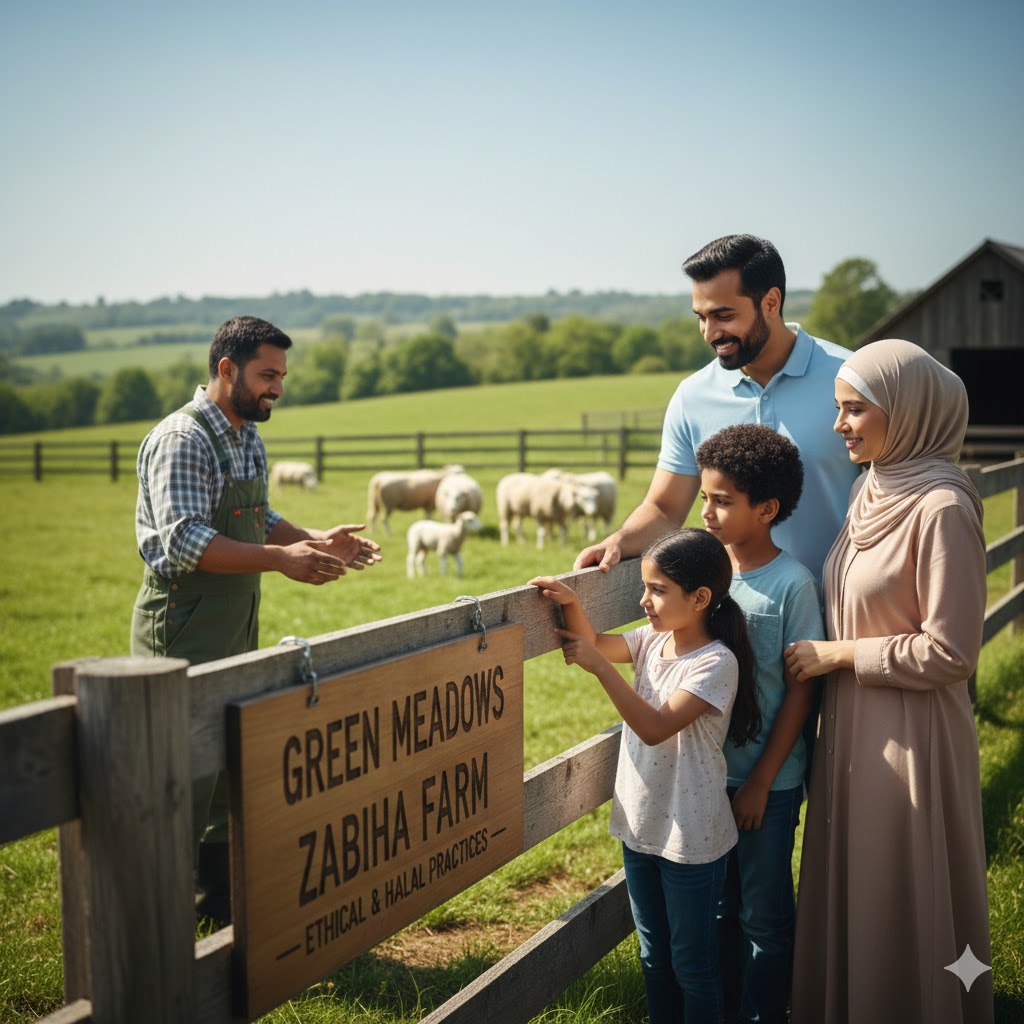
Visiting local Zabiha farms provides a first-hand understanding of how animals are raised, cared for, and slaughtered according to Islamic guidelines. These visits build trust, promote transparency, and ensure that the meat you purchase is both ethical and halal-compliant.
Check Farm Certification
Before visiting, verify that the farm is certified for Zabiha practices. Certification ensures that the animals are treated ethically and slaughtered in accordance with Islamic law. Certified farms often maintain detailed records and adhere to hygiene protocols that guarantee both the quality and safety of the meat.
Observe Animal Welfare
During your visit, pay attention to the conditions in which animals are kept. Healthy, well-fed, and stress-free animals produce higher-quality meat that is leaner, more nutritious, and easier to digest. Observe feeding practices, space allocation, and overall cleanliness of pens or enclosures. Farms that prioritize animal welfare tend to provide meat that tastes better and aligns with halal principles.
Ask About Feeding and Care
Inquire about the type of feed, use of supplements, and medication practices. Ethical farms feed animals natural diets without unnecessary growth hormones or antibiotics. Understanding these details ensures the meat you purchase is not only halal but also healthier for consumption.
Understand Slaughter Practices
Ask about Zabiha slaughter techniques. Proper blood drainage and humane handling are essential components of halal compliance. Observing or inquiring about these practices ensures that the meat meets both religious and health standards, contributing to better digestion and overall quality.
Build Supplier Relationships
Visiting farms helps you establish direct relationships with suppliers. This connection allows for pre-orders, selection of specific cuts, and personalized service. Long-term relationships often result in consistent quality, reliable supply, and better pricing, benefiting families who prioritize both nutrition and ethics.
Conclusion
Visiting local Zabiha farms provides insight into animal welfare, hygiene standards, and halal compliance. By observing conditions, asking detailed questions, and building relationships with suppliers, families can confidently select fresh, nutritious, and ethically sourced meat. Farm visits are a valuable step in ensuring both the spiritual and physical quality of the meat you serve at home.


