
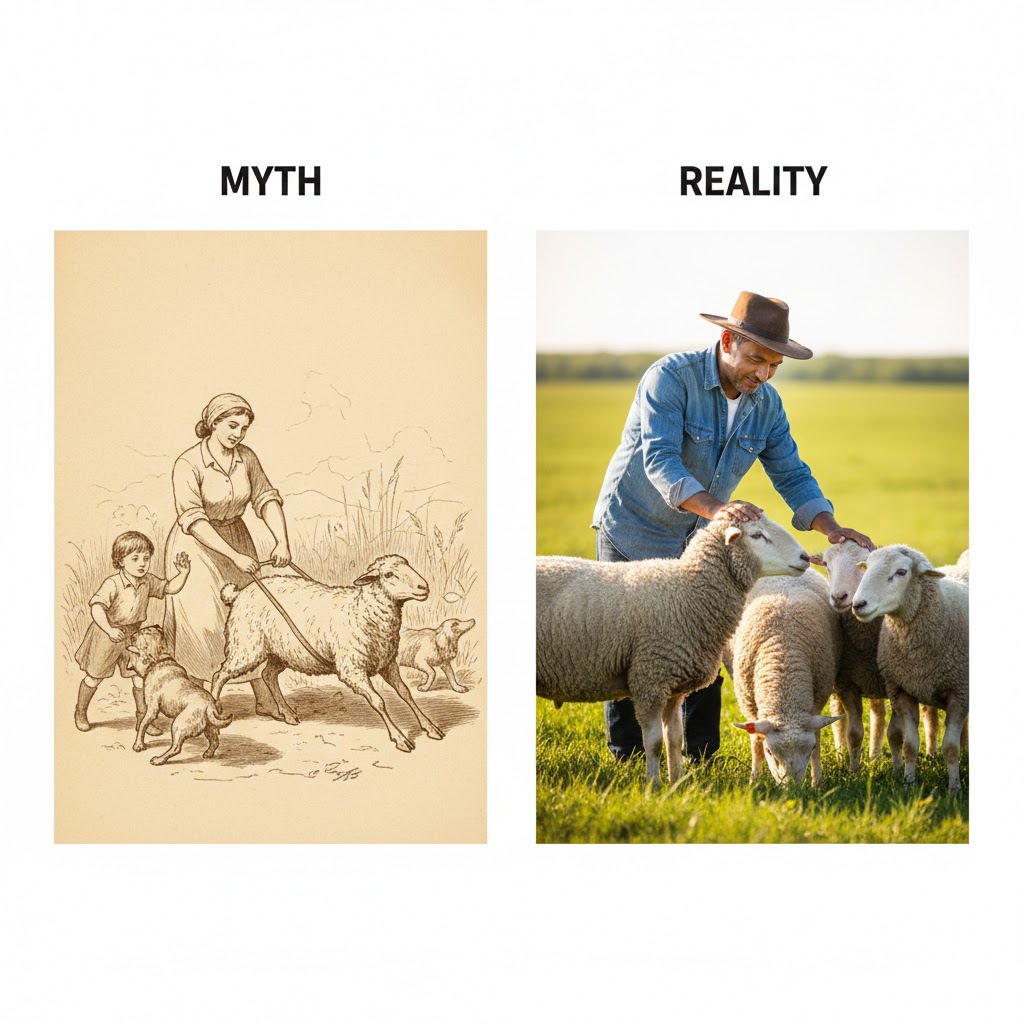
Common Myths About Zabiha & Animal Treatment

There are several myths surrounding Zabiha meat and animal treatment, which often create misconceptions about halal practices. Separating fact from fiction helps consumers make informed choices and promotes ethical understanding of Zabiha meat production.
Myth 1: Zabiha Slaughter is Cruel
Some believe that Zabiha slaughter causes unnecessary suffering. In reality, proper Zabiha practices prioritize humane handling, minimal stress, and swift, precise cuts. Trained personnel and ethical protocols ensure that animals experience minimal pain, aligning with both Islamic principles and modern welfare standards.
Myth 2: Animals are Neglected Before Slaughter
Contrary to misconception, certified Zabiha farms provide adequate housing, nutrition, and veterinary care. Animals are monitored closely for health and well-being, reducing stress and promoting ethical treatment. Neglect is neither religiously permissible nor common in reputable farms.
Myth 3: Zabiha Meat is Less Healthy
Some assume Zabiha meat is no different from conventionally slaughtered meat. In fact, humane handling, stress-free environments, and proper slaughter improve tenderness, nutrient retention, and digestibility. Zabiha meat is typically fresher, ethically sourced, and safer for consumption.
Myth 4: Modern Farms Ignore Tradition
Many modern Zabiha farms combine technology with tradition to improve animal welfare and efficiency. Automated restraint systems, traceability software, and monitoring tools enhance ethical practices without compromising religious compliance, ensuring meat quality and transparency.
Dispelling Misconceptions
Education and awareness campaigns are key to dispelling myths. Community outreach, farm tours, and certification transparency help consumers understand humane Zabiha practices, promoting trust and ethical awareness.
Conclusion
Common myths about Zabiha and animal treatment often misrepresent ethical and humane practices. In reality, certified Zabiha farms prioritize animal welfare, food safety, and religious compliance. Awareness and education help consumers make informed, ethical choices.