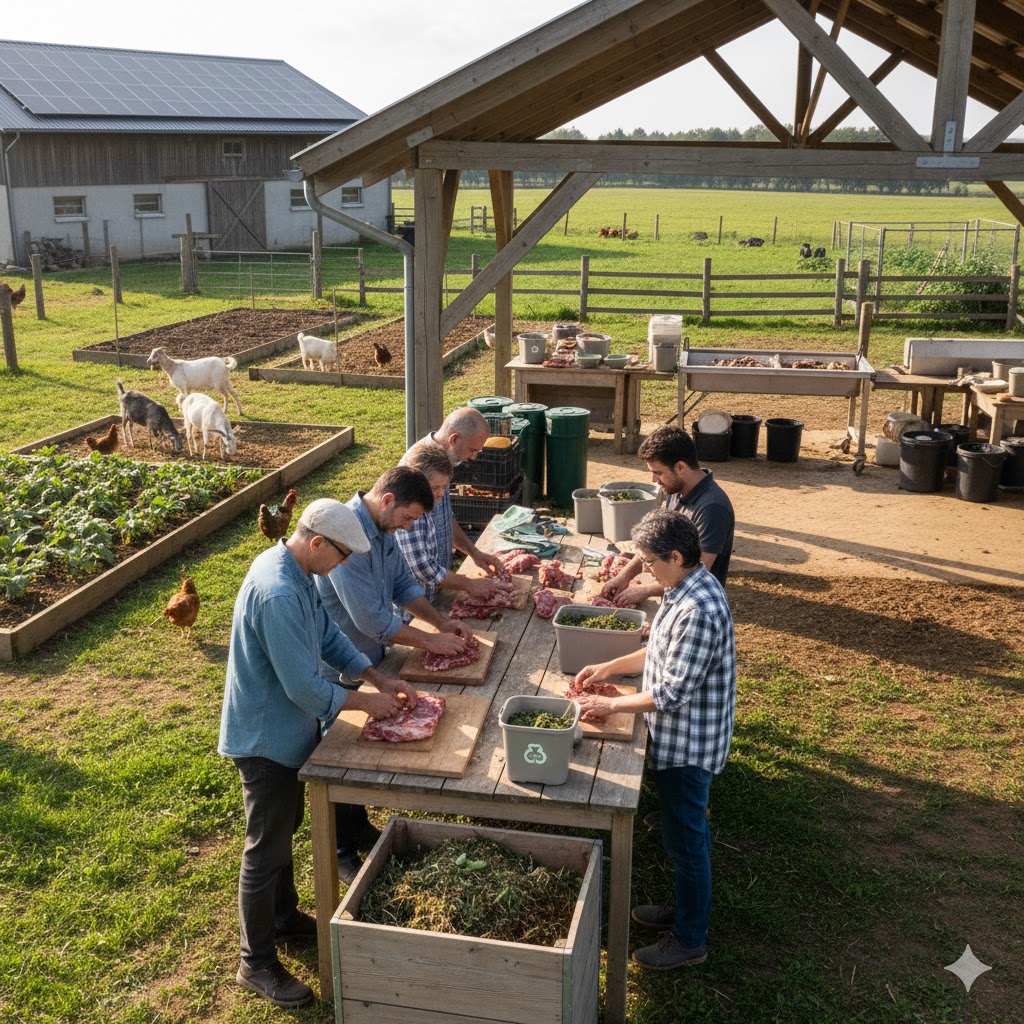

Environmental Impact of Zabiha Meat

Zabiha meat production has environmental implications that require attention to maintain sustainability. Ethical practices, efficient resource use, and responsible farming reduce environmental impact while ensuring halal compliance and high-quality meat.
Resource Usage
Livestock farming consumes water, feed, and energy. Efficient farm management reduces waste and conserves resources. Rotational grazing, proper feeding strategies, and optimized water usage minimize environmental footprints while maintaining animal health and meat quality.
Waste Management
Animal waste, if not managed properly, can contaminate soil and water. Ethical farms implement composting, biogas production, or fertilizer recycling to turn waste into productive resources. Proper waste management enhances sustainability and reduces pollution risks.
Carbon Footprint
Meat production contributes to greenhouse gas emissions. Sourcing from local farms reduces transportation emissions, while ethical feeding and rearing practices lower methane output. Integrating eco-friendly practices ensures Zabiha meat production is both environmentally responsible and halal-compliant.
Energy Efficiency
Farms can adopt renewable energy sources, energy-efficient lighting, and climate-controlled facilities to reduce environmental impact. Efficient slaughtering and processing methods minimize energy consumption while maintaining meat freshness and nutritional value.
Consumer Role
Consumers can support sustainable practices by choosing certified, locally sourced Zabiha meat. Awareness of environmental impact encourages demand for ethically produced meat, driving suppliers to adopt eco-friendly, responsible practices.
Conclusion
The environmental impact of Zabiha meat can be managed through resource efficiency, waste management, carbon reduction, and energy-conscious practices. By supporting ethical farms, consumers promote sustainability while enjoying high-quality, halal-compliant meat.