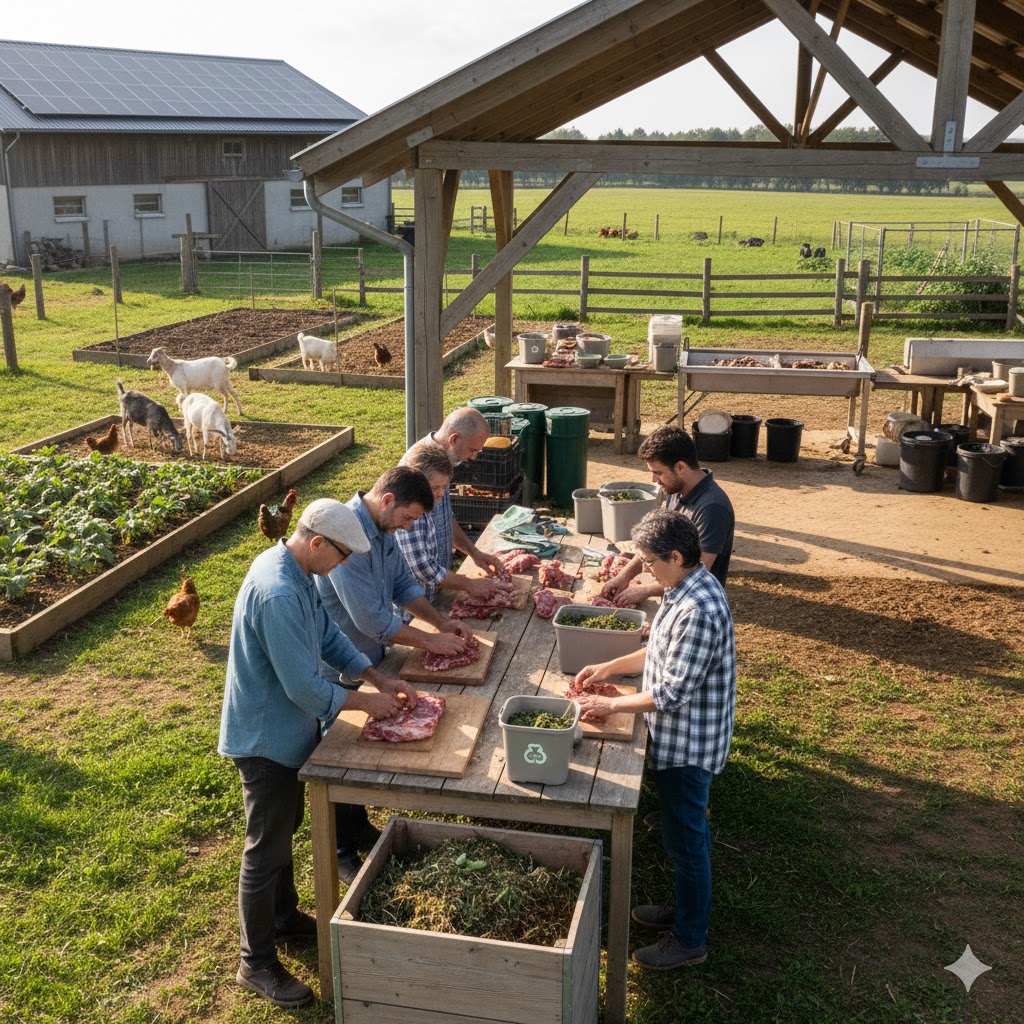

Innovations in Humane Zabiha Slaughter

Modern innovations in humane Zabiha slaughter aim to improve animal welfare, maintain halal compliance, and enhance meat quality. Technological advancements and ethical practices reduce stress, improve efficiency, and ensure ethical and spiritual standards are upheld.
Automated Restraint Systems
New restraint systems gently secure animals during slaughter, minimizing stress and movement. These systems ensure precise, swift cuts while reducing the risk of injury or discomfort. Automation enhances consistency and compliance with humane handling standards.
Training and Monitoring Technology
Digital monitoring systems track animal behavior, health, and handling processes. Staff receive real-time guidance on proper slaughter techniques, reducing errors and ensuring that animals are treated ethically. Continuous training combined with technology improves overall welfare.
Eco-Friendly Processing
Modern facilities integrate environmentally responsible methods with humane practices. Efficient blood collection, waste recycling, and energy-efficient equipment reduce environmental impact while ensuring meat safety and freshness.
Enhanced Traceability
Innovations include tracking animals from farm to table, verifying Zabiha compliance at each stage. Digital records confirm ethical slaughter, proper handling, and adherence to halal principles. Traceability builds consumer trust and ensures transparency in meat sourcing.
Impact on Meat Quality
Humane slaughter innovations improve tenderness, flavor, and nutritional retention. Reduced stress hormones, efficient blood drainage, and proper handling result in meat that is healthier, more digestible, and consistent in quality for consumers.
Conclusion
Innovations in humane Zabiha slaughter combine technology, training, and ethical practices to enhance animal welfare, meat quality, and halal compliance. By adopting modern methods, suppliers can ensure sustainable, ethical, and high-quality Zabiha meat for families and communities.