Understanding Animal Welfare in Zabiha Practices

Animal welfare is a central element of Zabiha practices, ensuring that halal meat is ethically sourced while respecting Islamic principles. Understanding welfare in Zabiha slaughter helps consumers make informed choices and promotes compassionate, responsible meat production.
Definition of Animal Welfare
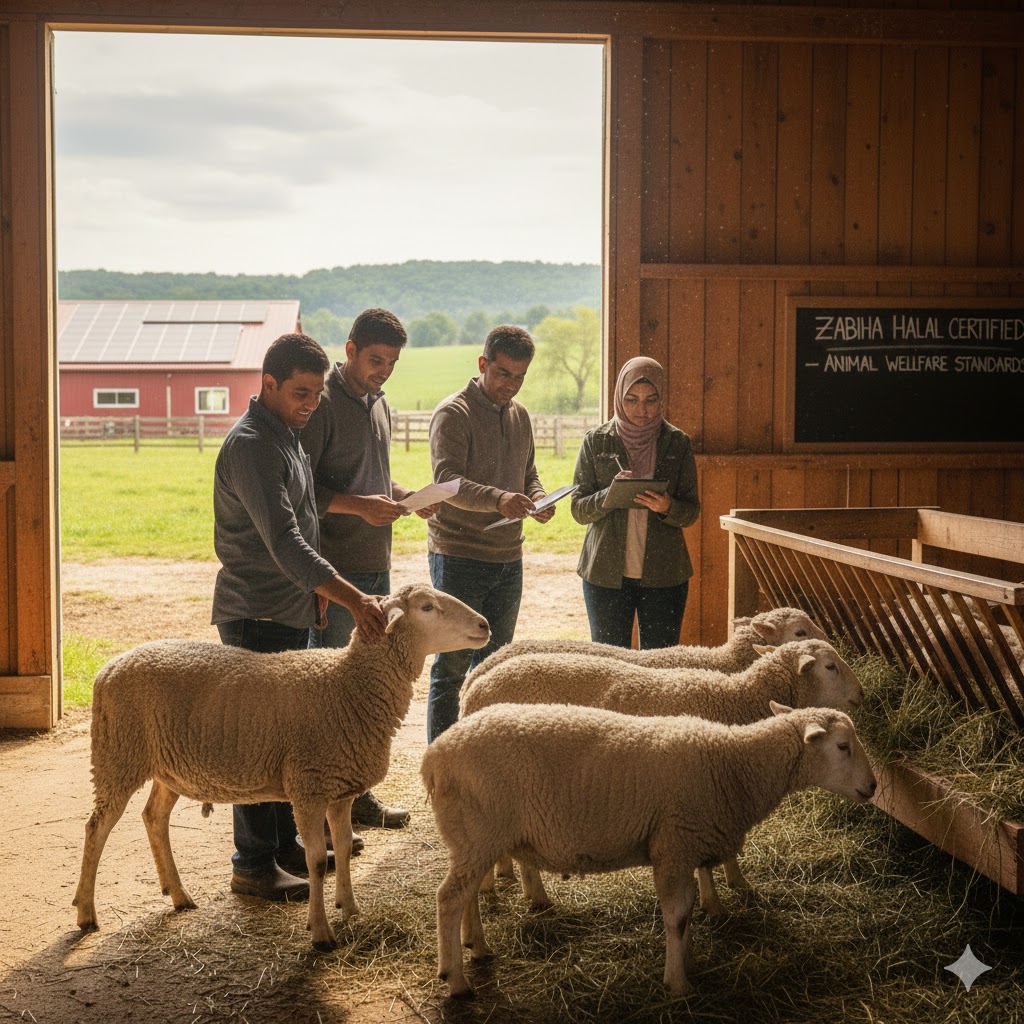
Animal welfare encompasses physical health, mental well-being, and ethical treatment. In Zabiha practices, this means providing clean housing, nutritious feed, veterinary care, and a low-stress environment. Ensuring animal comfort and minimizing suffering is critical to ethical and religious compliance.
Pre-Slaughter Care
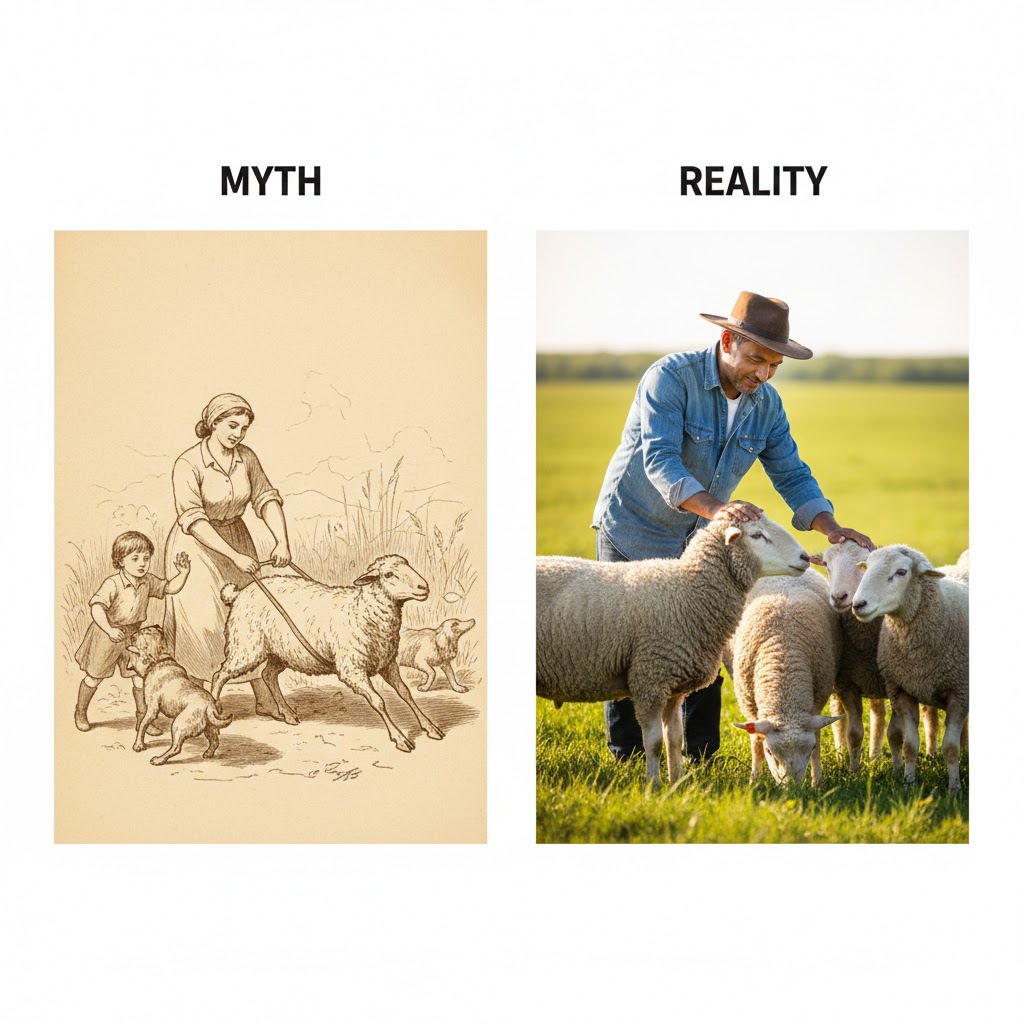
Before slaughter, animals should be calm, adequately fed, and hydrated. Gentle handling reduces stress, which improves meat tenderness and nutritional value. Overcrowding, noise, or rough handling can cause anxiety, affecting both welfare and the quality of meat produced.
Humane Slaughter Techniques
Zabiha slaughter involves a swift, precise cut to the throat while reciting the name of Allah. Humane techniques ensure minimal pain and quick blood drainage, complying with both religious and ethical standards. Trained personnel are essential to perform this correctly and respectfully.
Post-Slaughter Care and Hygiene
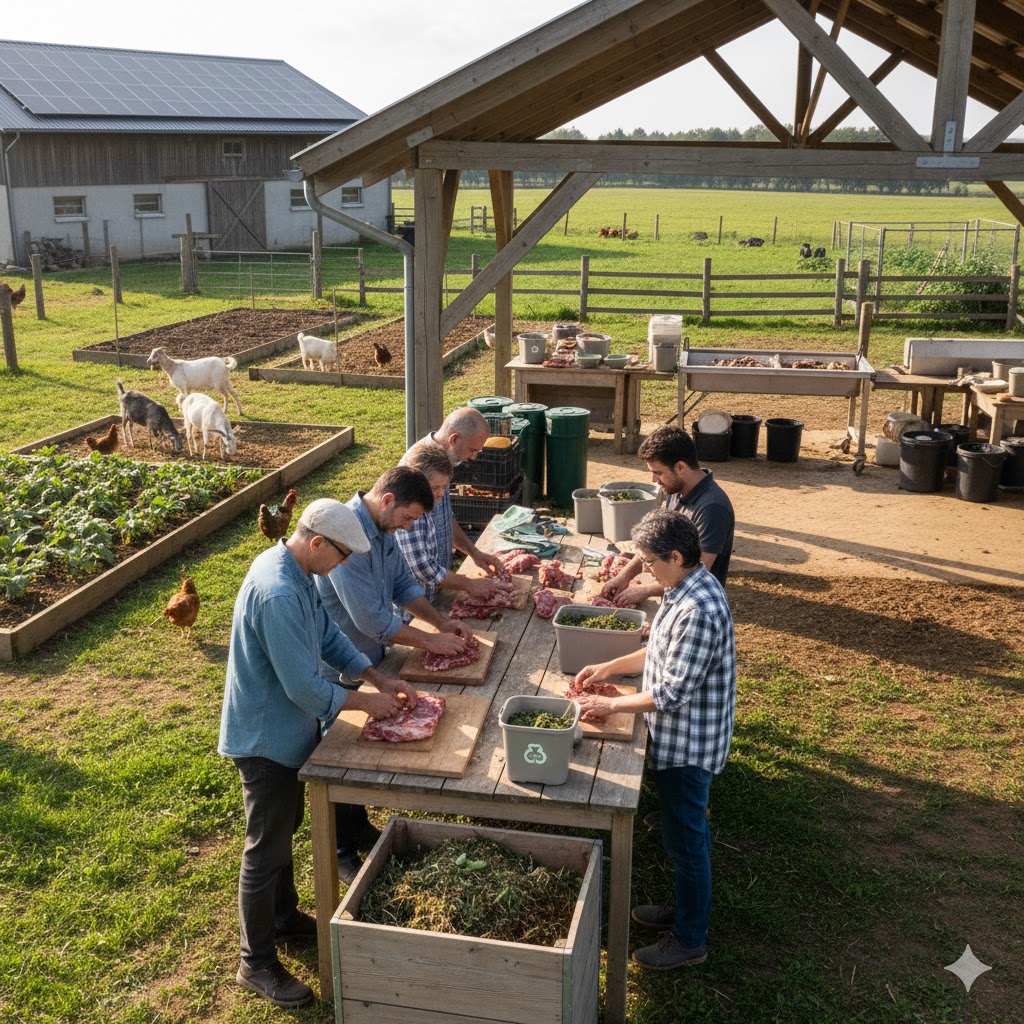
Proper meat handling and storage after slaughter are part of animal welfare considerations. Quick processing, refrigeration, and hygienic practices maintain meat quality, reduce spoilage, and honor the ethical responsibility of treating animals with respect even after death.
Role of Consumers and Communities
Consumers can support animal welfare by choosing certified Zabiha suppliers and understanding how meat is produced. Community awareness programs and educational workshops foster ethical practices, encouraging transparency and accountability in halal meat production.
Conclusion
Understanding animal welfare in Zabiha practices emphasizes ethical treatment, religious compliance, and high-quality meat. Pre-slaughter care, humane techniques, post-slaughter hygiene, and community awareness ensure that halal meat aligns with both spiritual and ethical values.