How to Handle Overcooked or Tough Meat

Overcooked or tough meat is a common kitchen challenge, especially when working with lean or unfamiliar cuts of Zabiha meat. Fortunately, there are practical techniques to salvage texture, improve flavor, and prevent the issue in future meals.
Why Meat Becomes Tough
Meat becomes tough when cooked at high heat for too long or when cut against the grain incorrectly. Lean cuts with low fat content are particularly sensitive to overcooking. Understanding the cut and cooking method helps prevent this issue.
Reviving Overcooked Meat
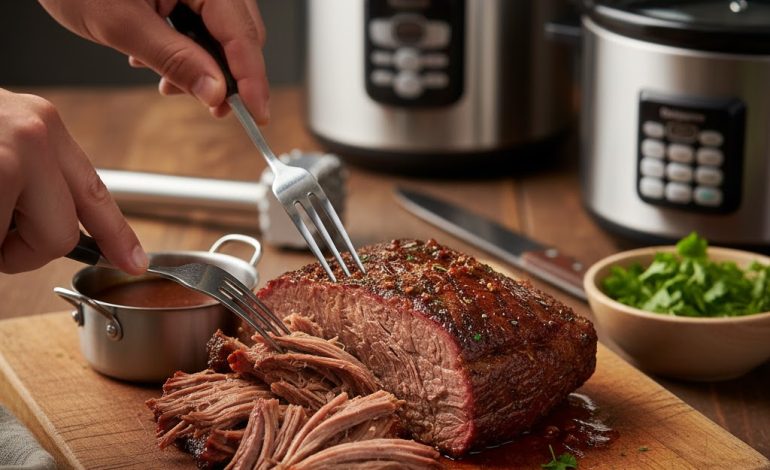
One effective method is simmering meat gently in broth, gravy, or sauce. Moist heat helps soften fibers and restore tenderness. Shredding overcooked meat and using it in curries, wraps, or sandwiches can also improve texture and taste.
Using Marinades and Sauces
Marinades with yogurt, lemon juice, or vinegar can help break down tough fibers. Adding sauces after cooking enhances moisture and flavor, making the meat more enjoyable. Avoid reheating at high temperatures to prevent further drying.
Proper Cutting Techniques
Always slice meat against the grain to shorten muscle fibers. This makes chewing easier and improves tenderness. Even tough cuts become more manageable when sliced correctly.
Preventing Tough Meat
Use a meat thermometer to avoid overcooking. Choose appropriate cooking methods—slow cooking for tough cuts and quick cooking for tender ones. Allow meat to rest after cooking to retain juices and improve texture.
Conclusion
Overcooked or tough Zabiha meat doesn’t have to go to waste. With moisture, proper slicing, and smart reuse, you can restore flavor and tenderness. Learning prevention techniques ensures better results and more enjoyable meals every time.