
How Zabiha is Prepared in South Asia

South Asia has developed its own distinctive approach to Zabiha meat, combining Islamic principles with rich culinary traditions. Countries like Pakistan, India, and Bangladesh incorporate Zabiha practices into everyday cooking and festive meals.
Zabiha and Local Slaughter Practices
In South Asia, Zabiha slaughter is often conducted at local butcher shops or community facilities. These practices emphasize religious compliance while adapting to high population density and demand.
Spice-Driven Cooking Styles
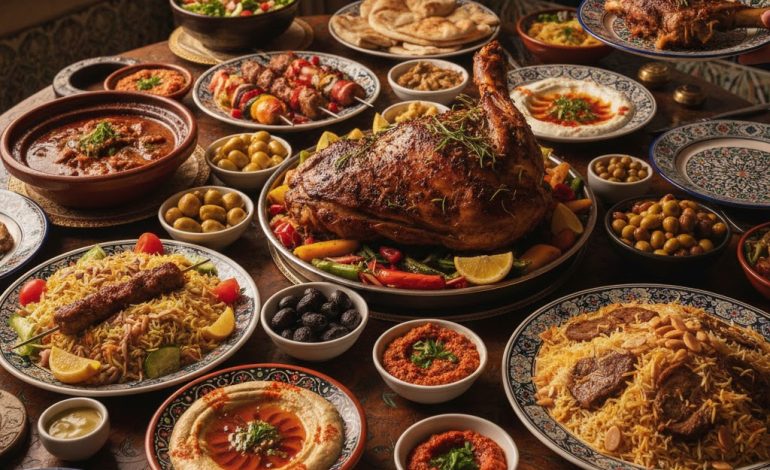
South Asian Zabiha dishes are known for bold spices and slow-cooked methods. Curries, biryanis, and kebabs rely on marination to tenderize meat and enhance depth of flavor.
Household and Street Food Use
Zabiha meat is used widely in both home kitchens and street food. From simple lentil-based meals with meat additions to elaborate wedding feasts, it remains a staple protein source.
Religious and Cultural Integration
Zabiha preparation is closely tied to religious education and family traditions. Knowledge is often passed down through generations, reinforcing both faith and culinary identity.
Conclusion
South Asian preparation of Zabiha meat reflects a blend of devotion, tradition, and bold culinary expression, making it one of the most diverse halal food cultures in the world.