Common Mistakes to Avoid in Zabiha Meat

Consuming Zabiha meat is a religious and ethical practice, but mistakes in handling, buying, or preparing can compromise its authenticity, health benefits, and spiritual value. Understanding common errors ensures that the meat remains compliant with Islamic law and maintains quality and hygiene.
Buying from Unverified Sources
One of the most frequent mistakes is purchasing Zabiha meat from unverified suppliers. Not all meat labeled “halal” or “Zabiha” meets the strict requirements of proper slaughter. Certified suppliers follow detailed guidelines and provide assurance of compliance. Always check for halal certification, proper labeling, and reliable sourcing before buying.
Ignoring Animal Health
Another mistake occurs when animals that are sick, injured, or unsuitable are slaughtered. Zabiha rules mandate that the animal must be healthy and alive at the time of slaughter. Buying or consuming meat from unhealthy animals not only violates Islamic law but can also pose health risks due to bacteria or toxins in the meat.
Incorrect Slaughter Technique
Slaughtering without following the proper Zabiha method is a common error among inexperienced butchers. The throat, windpipe, and major blood vessels must be cut swiftly, while leaving the spinal cord intact. Improper cuts or delayed drainage of blood can cause unnecessary suffering and compromise the meat’s halal status.
Poor Hygiene Practices
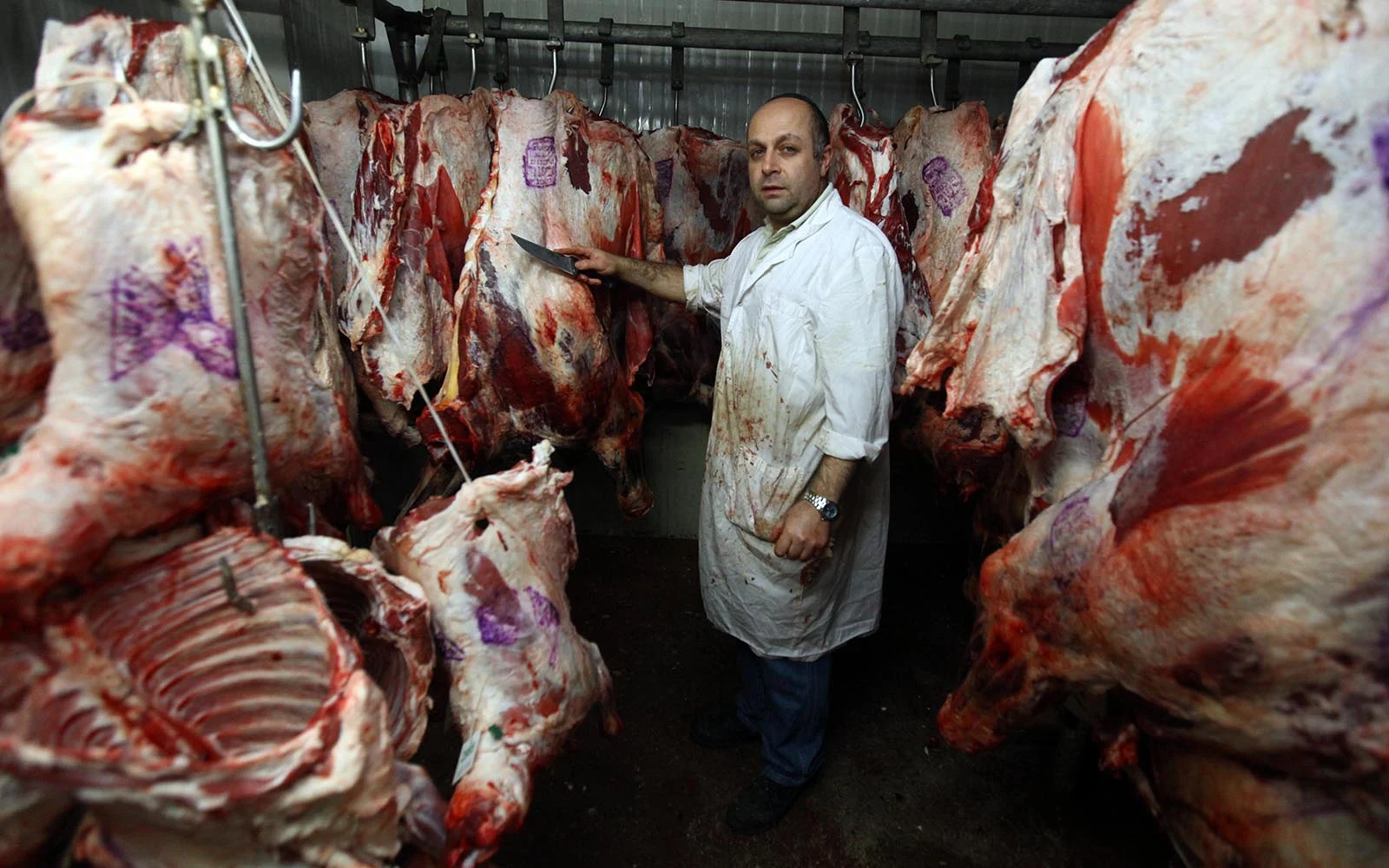
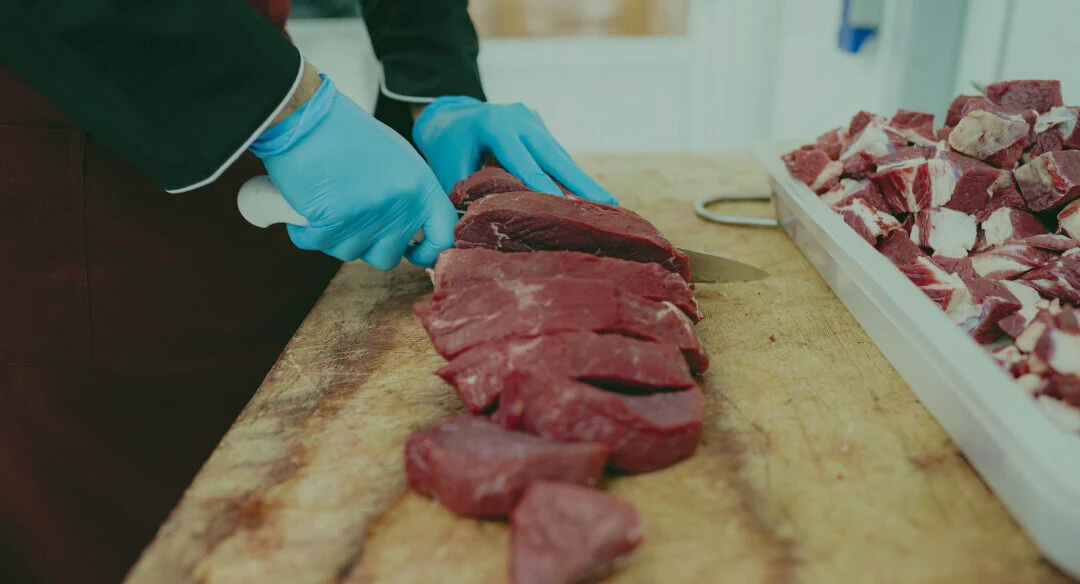
Failure to maintain hygiene during and after slaughter is another mistake. Using unclean knives, contaminated surfaces, or improper storage can lead to bacterial growth and spoilage. Zabiha meat must be handled carefully, kept clean, and stored at appropriate temperatures to maintain its purity and quality.
Neglecting Spiritual Invocation
Some may overlook the religious aspect, forgetting to recite the name of Allah before slaughter. This invocation is mandatory in Islam and ensures the act is performed in God’s name. Neglecting this step invalidates the Zabiha process regardless of technical correctness.
Conclusion
To enjoy the full benefits of Zabiha meat, both spiritually and physically, it is important to avoid these common mistakes. Buying from certified sources, ensuring animal health, following the correct slaughter technique, maintaining hygiene, and observing religious invocations are essential. Awareness and careful practice guarantee that the meat is lawful, ethical, and wholesome for consumption.