Essential Conditions for Zabiha Slaughter

Zabiha slaughter follows specific rules and guidelines designed to ensure compliance with Islamic law, humane treatment of animals, and high-quality meat. Understanding these essential conditions is critical for anyone handling or consuming Zabiha meat.
Qualified Person
The person performing the Zabiha slaughter must be a sane adult Muslim, Jew, or Christian. They should be knowledgeable about proper techniques and capable of handling the animal safely. Reciting the name of Allah before making the cut is a mandatory part of the process, emphasizing the spiritual dimension of the act.
Animal Requirements
Animals selected for Zabiha must be healthy, free from disease, and alive at the time of slaughter. Certain animals, such as pigs or unhealthy animals, are not permitted. The welfare of the animal before and during slaughter is a top priority, ensuring minimal suffering.
Slaughtering Method
The Zabiha method requires cutting the throat, windpipe, and blood vessels in a swift, precise motion, while leaving the spinal cord intact. This technique ensures rapid death and proper drainage of blood, which is essential in Islam. The process should be performed on a clean surface with sharp, sanitized tools.
Hygiene and Cleanliness
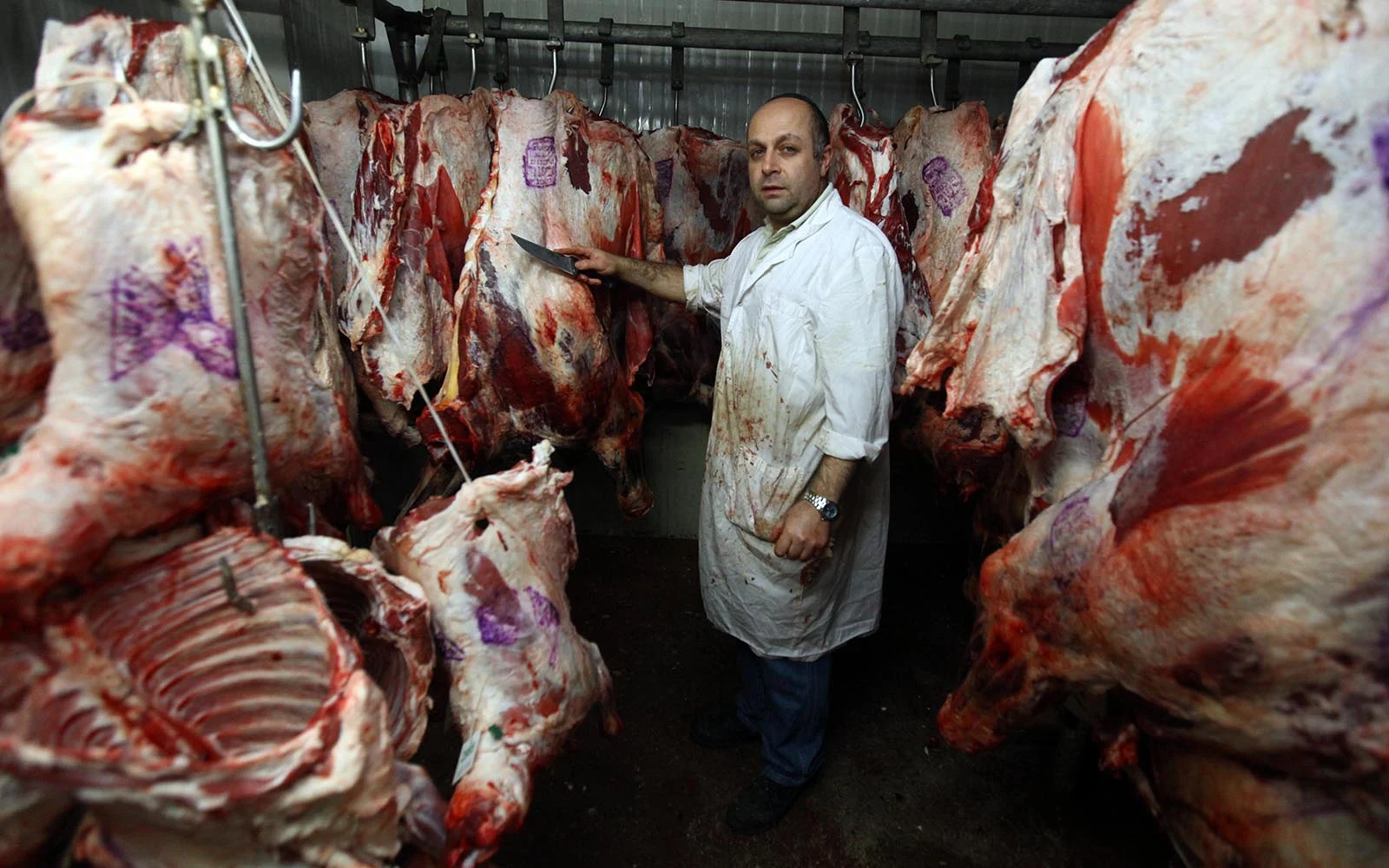
Maintaining cleanliness during Zabiha slaughter is critical. The tools must be clean, and the meat must be handled carefully after slaughter. Proper hygiene ensures the meat remains pure, safe, and fit for consumption according to halal standards.
Ethical and Spiritual Compliance
Zabiha is not only about following technical procedures. It emphasizes compassion, mindfulness, and spiritual awareness. Handling the animal gently, minimizing stress, and performing the slaughter in a respectful manner reflects the ethical principles embedded in Islamic law.
Conclusion
Following essential Zabiha conditions ensures that meat is lawful, humane, and spiritually compliant. From the selection of the animal to the final handling of meat, every step is guided by ethical and religious principles. Understanding these guidelines is crucial for anyone consuming or providing Zabiha meat, ensuring both faith and ethics are maintained in daily life.