Who Can Perform Zabiha?

Zabiha meat is considered lawful and spiritually significant in Islam, but only certain individuals are qualified to perform the slaughter. Understanding who can perform Zabiha ensures compliance with religious laws and maintains the integrity of the practice.
Qualified Individuals
According to Islamic law, the person performing Zabiha must be a sane adult Muslim, Jew, or Christian. These are the “People of the Book” recognized in the Quran. This requirement ensures that the slaughter is carried out by someone knowledgeable about religious obligations and capable of performing the act correctly and ethically.
Knowledge and Skill
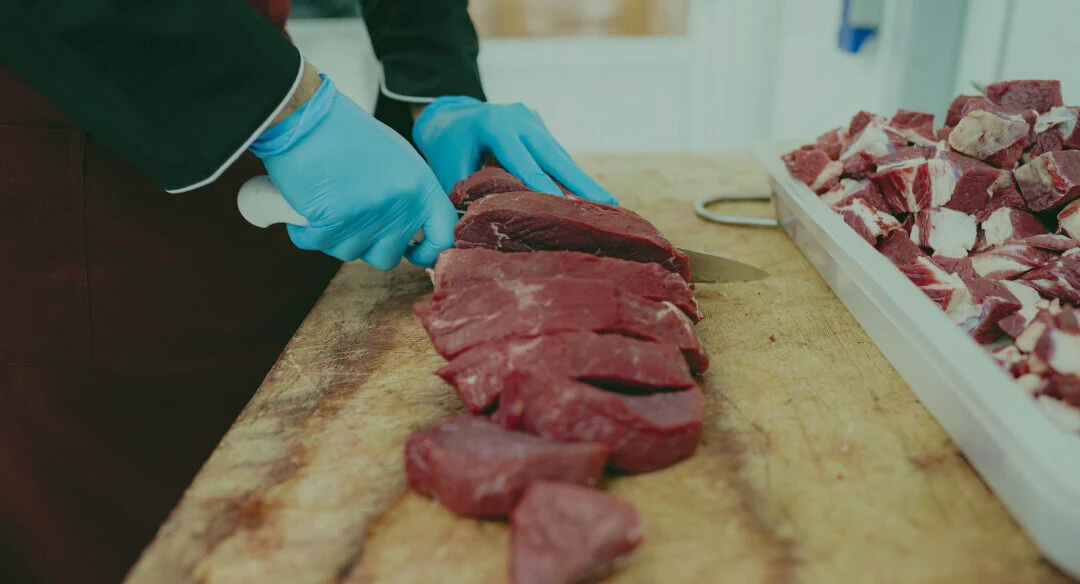
It is not enough to simply belong to the permitted religious groups. The person must be trained in the Zabiha method to ensure a swift, humane cut that complies with halal standards. Proper handling of the animal, accurate cutting of the throat, windpipe, and blood vessels, and immediate drainage of blood are essential skills for any practitioner.
Spiritual Responsibility
The individual performing Zabiha must recite the name of Allah before making the cut. This invocation imbues the act with spiritual significance, transforming it from a mere physical task into a religious practice. Those performing Zabiha carry responsibility for both ethical and spiritual compliance, reinforcing the importance of mindfulness and devotion.
Experience Matters
Experience plays a crucial role in minimizing stress and suffering for the animal. A trained and experienced person can handle the animal calmly, make precise cuts, and reduce errors that may compromise the meat’s halal status. Inexperienced individuals risk mistakes that affect both ethical treatment and religious validity.
Community Practices
In many Muslim communities, trained butchers are employed to ensure that Zabiha is performed correctly. Families may rely on these professionals during festivals like Eid al-Adha or for regular meals, guaranteeing both authenticity and quality. Certified butchers also provide assurance to consumers about proper compliance with halal standards.
Conclusion
Only qualified and knowledgeable individuals can perform Zabiha. By adhering to religious requirements, gaining proper training, and observing spiritual protocols, the meat remains lawful and ethically sourced. Understanding who can perform Zabiha protects the integrity of this practice and ensures that the meat consumed is wholesome, humane, and spiritually compliant.