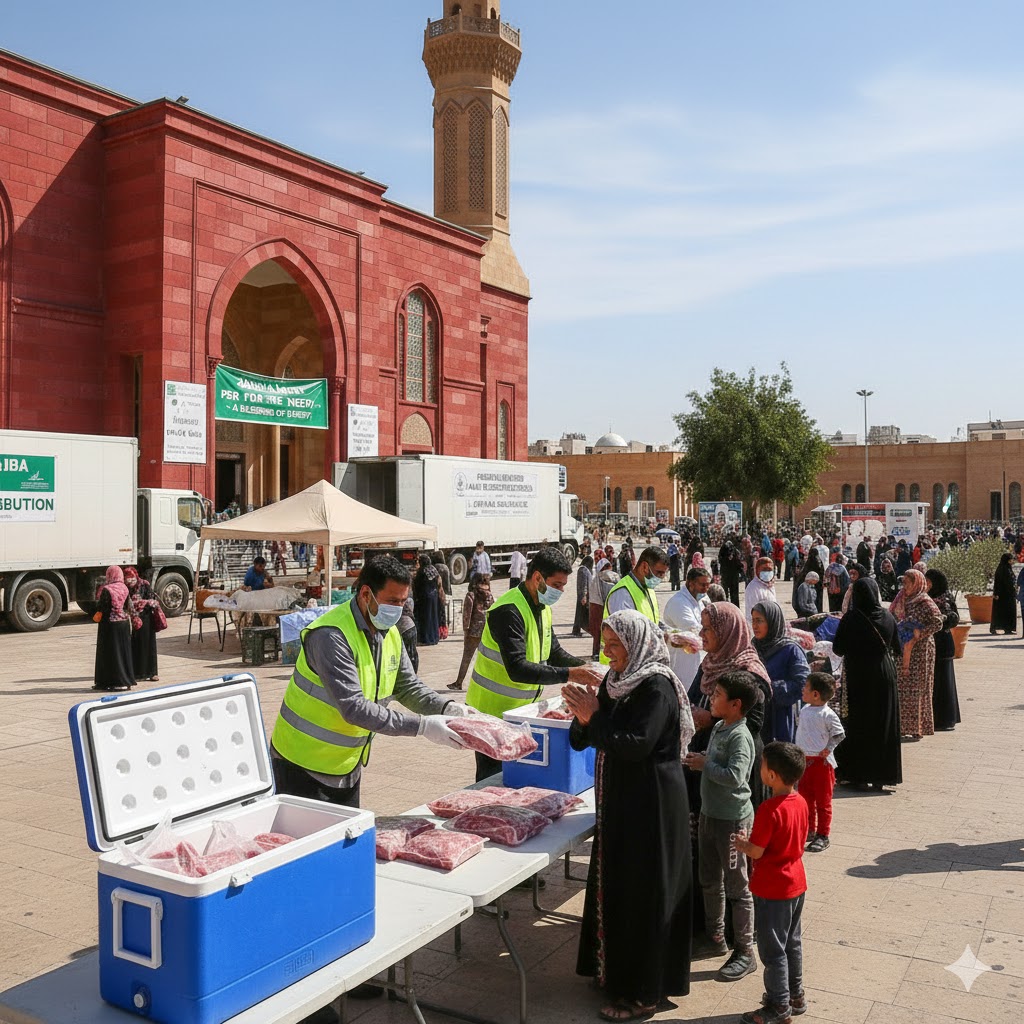
Benefits of Giving Zabiha Meat to the Needy

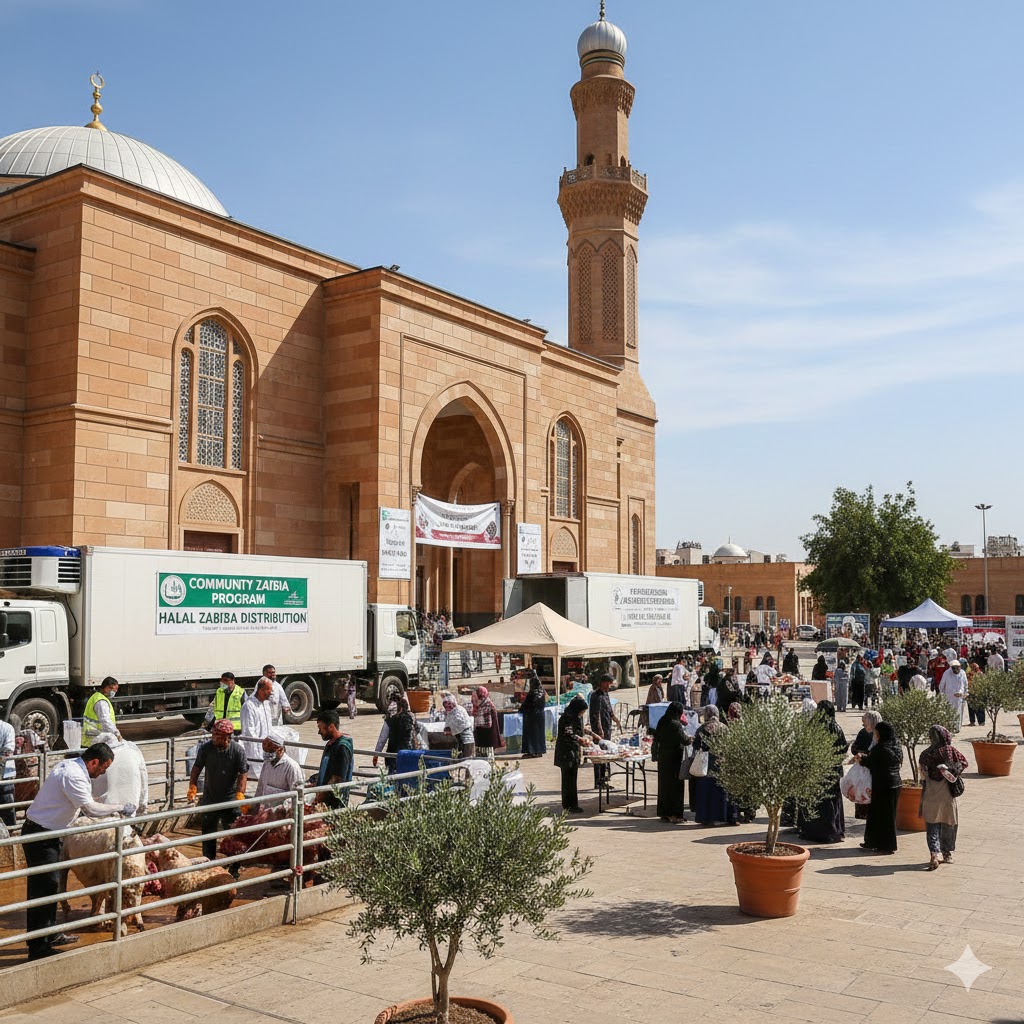
Giving Zabiha meat to the needy is more than an act of charity—it provides tangible nutritional, spiritual, and social benefits. This practice allows families to participate in religious duties while supporting those in need, fostering community solidarity and ethical food distribution.
Nutritional Benefits
Zabiha meat is a rich source of protein, vitamins, and minerals. Providing it to families who lack access to fresh meat ensures they receive essential nutrients for healthy growth and development. Balanced diets including Zabiha meat support digestion, immunity, and overall wellbeing, especially for children and the elderly.
Spiritual Rewards
Giving Zabiha meat aligns with Islamic teachings, offering spiritual benefits for the giver. Acts of charity are highly rewarded in Islam, particularly during festivals like Eid al-Adha. Sharing meat reinforces gratitude, mindfulness, and adherence to religious obligations, strengthening personal faith and community values.
Social and Community Benefits
Distributing Zabiha meat helps strengthen community ties by fostering trust, cooperation, and mutual support. Needy families feel valued and included in celebrations, reducing social inequality and promoting unity. Volunteers and donors also benefit from a sense of purpose and satisfaction in contributing to the welfare of others.
Educational Opportunities
Charity events often include educational components, teaching younger generations about the significance of giving, ethical meat handling, and food hygiene. This knowledge ensures sustainable practices and inspires children to continue charitable traditions in the future.
Efficient Distribution Practices
For maximum impact, coordinate with local mosques, charities, or community centers to identify recipients and manage logistics. Pre-packaging meat, labeling portions, and scheduling deliveries ensures equitable sharing while minimizing waste. Efficiency enhances the overall effectiveness of charitable efforts.
Conclusion
Giving Zabiha meat to the needy provides nutritional, spiritual, and social benefits while reinforcing Islamic values. Thoughtful planning, ethical distribution, and community involvement ensure that charitable contributions reach those in need, creating a positive impact for both donors and recipients alike.