
Distributing Zabiha Meat in Charity

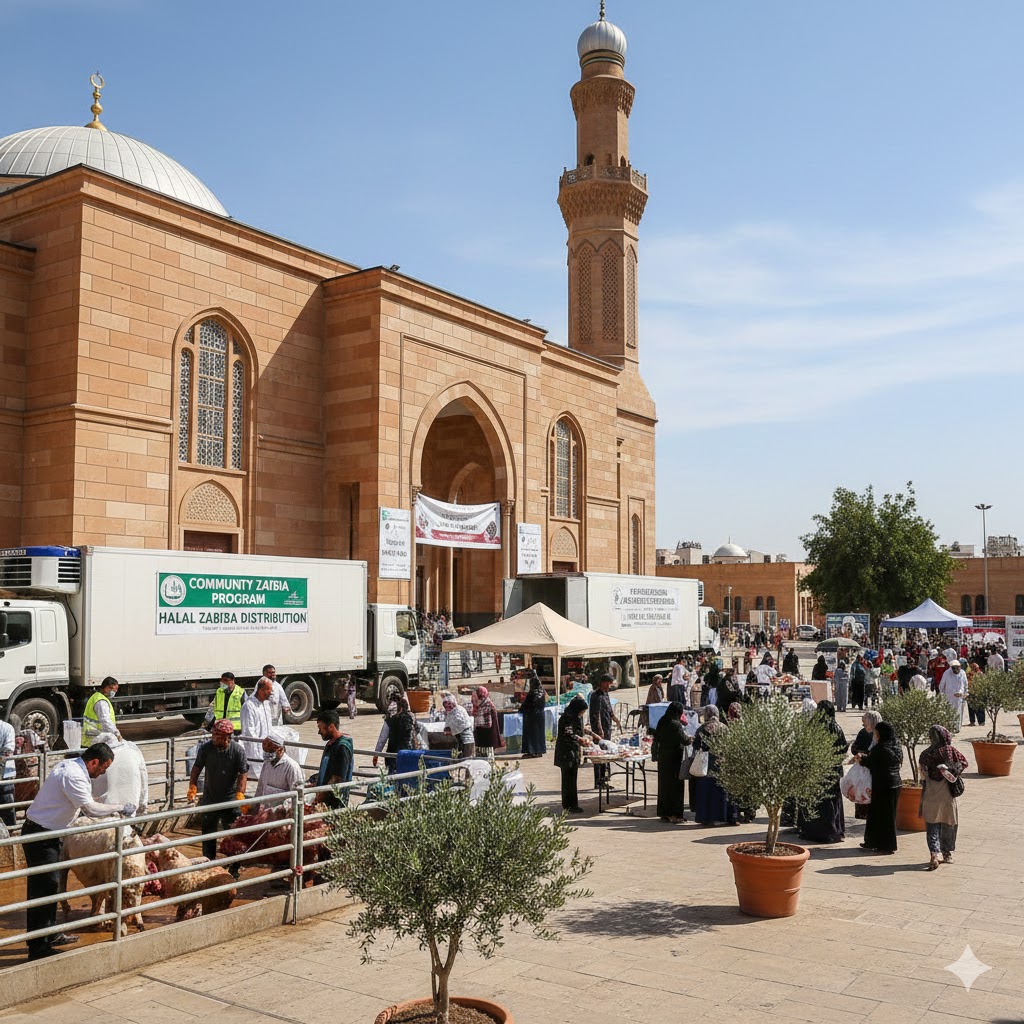
Distributing Zabiha meat as charity is a significant practice in Islamic communities, especially during festivals like Eid al-Adha. Sharing meat with the needy not only fulfills religious obligations but also strengthens social bonds, promotes generosity, and ensures everyone can partake in festive meals.
Understanding the Purpose
The practice of distributing Zabiha meat is rooted in Islamic teachings, emphasizing compassion and support for those less fortunate. Providing meat ensures that families and individuals who cannot afford regular meat can enjoy wholesome, nutritious, and halal meals. This act of charity creates a sense of community and gratitude.
Planning Distribution
Effective distribution requires planning. Estimate the amount of meat needed based on the number of recipients, family sizes, and availability. Coordinate with mosques, local organizations, or community centers to identify individuals or families in need. Early planning ensures timely and organized delivery, reducing wastage and ensuring fairness.
Safe Handling and Storage
Proper handling of Zabiha meat is critical. Ensure the meat is stored in clean, refrigerated conditions until distribution. Use insulated containers or chilled trucks for transporting large quantities. Safe handling prevents spoilage, maintains nutritional value, and ensures recipients receive high-quality meat.
Involving the Community
Engage volunteers and community members in the distribution process. Collaboration enhances efficiency, ensures equitable sharing, and fosters community spirit. Educating volunteers about proper handling, portioning, and storage safeguards meat quality while promoting teamwork and responsibility.
Impact on Recipients
Receiving Zabiha meat allows families to prepare wholesome, halal meals and celebrate festivals with dignity. This practice alleviates food insecurity and provides nutritious protein sources essential for health. The act of sharing also inspires recipients to give back when they are able, reinforcing the cycle of charity and generosity.
Conclusion
Distributing Zabiha meat in charity is a meaningful act that combines religious devotion with social responsibility. Careful planning, safe handling, and community involvement ensure that meat reaches those in need while maintaining freshness, nutrition, and halal compliance. This practice strengthens communities and embodies the spirit of giving.