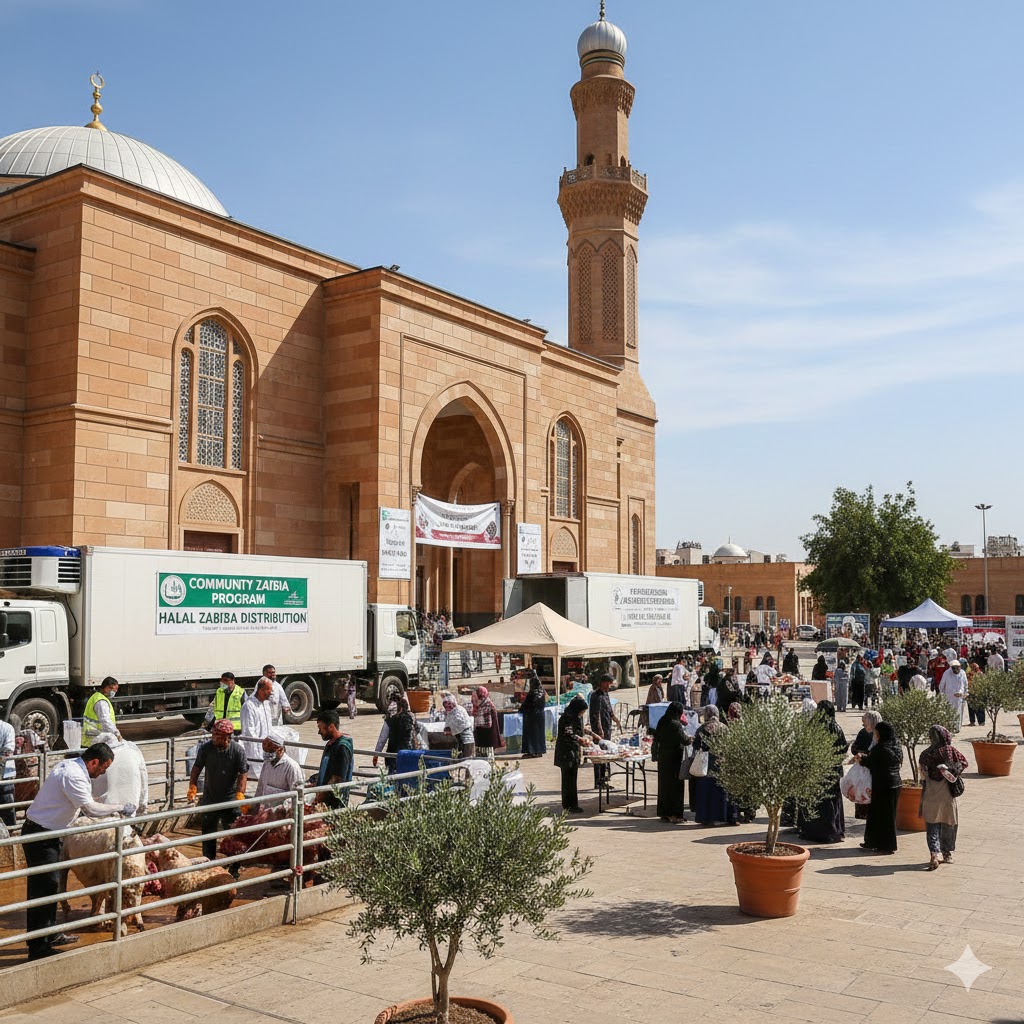
How Mosques & Communities Manage Zabiha

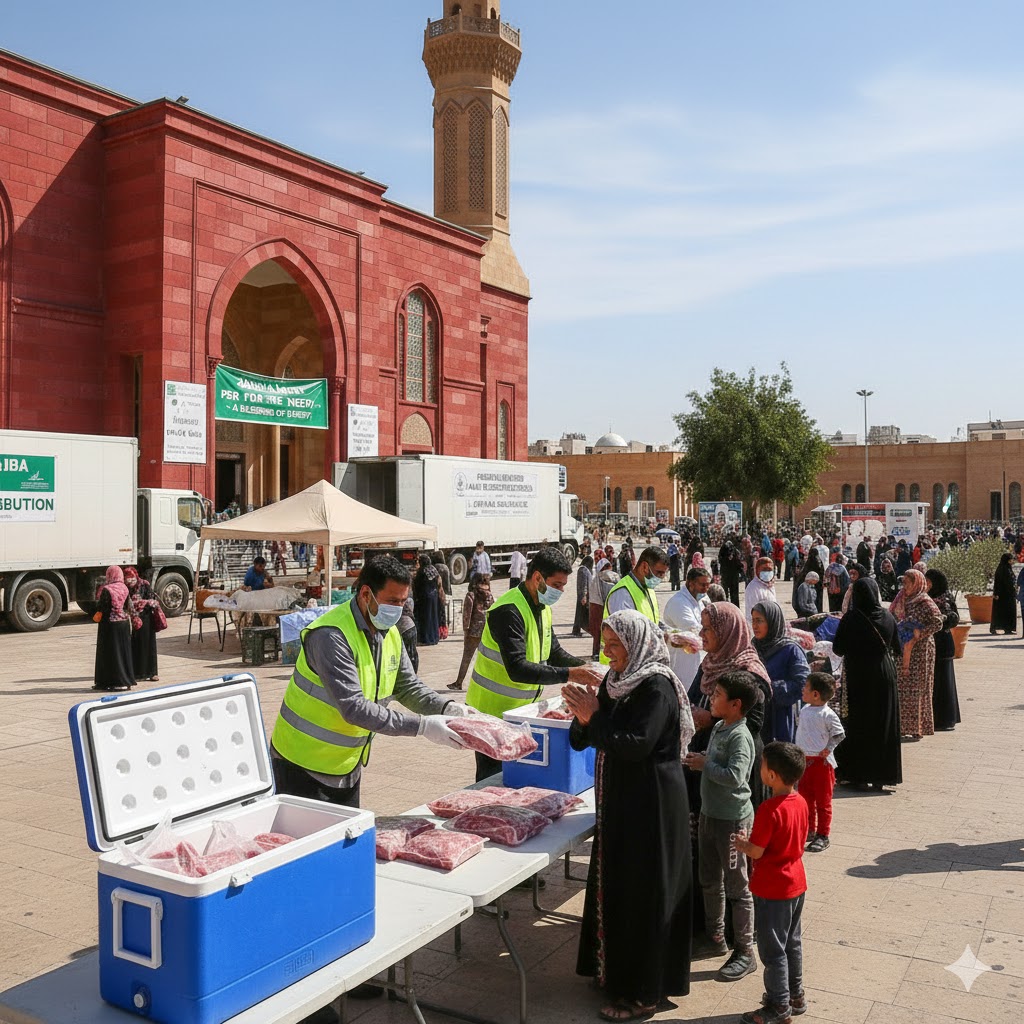
Mosques and local communities play a crucial role in managing Zabiha meat, particularly during festivals like Eid al-Adha. Proper organization ensures halal compliance, ethical distribution, and efficient delivery to families in need, fostering community cohesion and spiritual fulfillment.
Coordination and Planning
Mosques often coordinate with local farms, butchers, and volunteers to manage Zabiha meat supply. Planning involves estimating demand, securing certified Zabiha suppliers, and scheduling slaughter, processing, and distribution. Effective coordination ensures timely and organized execution.
Ensuring Halal Compliance
Community leaders monitor that all meat follows Zabiha principles. This includes certified slaughtering, proper blood drainage, and ethical treatment of animals. Verification of certification and supplier credibility ensures that all meat served is halal and spiritually compliant.
Volunteer Involvement
Volunteers assist in slaughtering, processing, packaging, and distributing meat. Training ensures hygienic handling and accurate portioning, maintaining both quality and ethical standards. Active volunteer engagement strengthens community bonds and encourages shared responsibility.
Distribution to Families
Mosques manage equitable distribution by organizing recipient lists, packaging meat into family-sized portions, and scheduling pick-ups or deliveries. Clear communication ensures families receive their portions on time, preserving freshness and nutritional value.
Community Education
Many mosques and community centers educate members on Zabiha practices, safe meat handling, and charitable giving. Workshops or informational sessions raise awareness, promote best practices, and instill a sense of responsibility in younger generations.
Conclusion
Mosques and communities play a central role in managing Zabiha meat through coordination, halal compliance, volunteer involvement, and education. Their efforts ensure ethical distribution, maintain quality and freshness, and foster community spirit while supporting those in need during important religious celebrations.